

We spent three days and two nights in Iceland on a stopover while returning from France to the United States. We were flying with Icelandair, and since they do not charge extra for a stopover, we decided to take advantage of it. Our flight from Paris landed around 10 a.m. on a rainy morning in late June. After picking up our rental car and grabbing a quick lunch, we drove out of Keflavík Airport toward Þingvellir National Park.
Within minutes of leaving Keflavík, we were already marveling at Iceland’s surreal landscape, which seemed miles away from civilization. Along the entire drive to Thingvellir, there were no houses and no discernible signs of a town or settlement. Fields of purple lupines stretched toward green mountains in the distance. Waterfalls were abundant. Majestic Icelandic horse dotted the landscape, and sheep grazed peacefully in the pastures. Later someone told us the horses do not actually outnumber humans in Iceland, but I am still not entirely convinced.
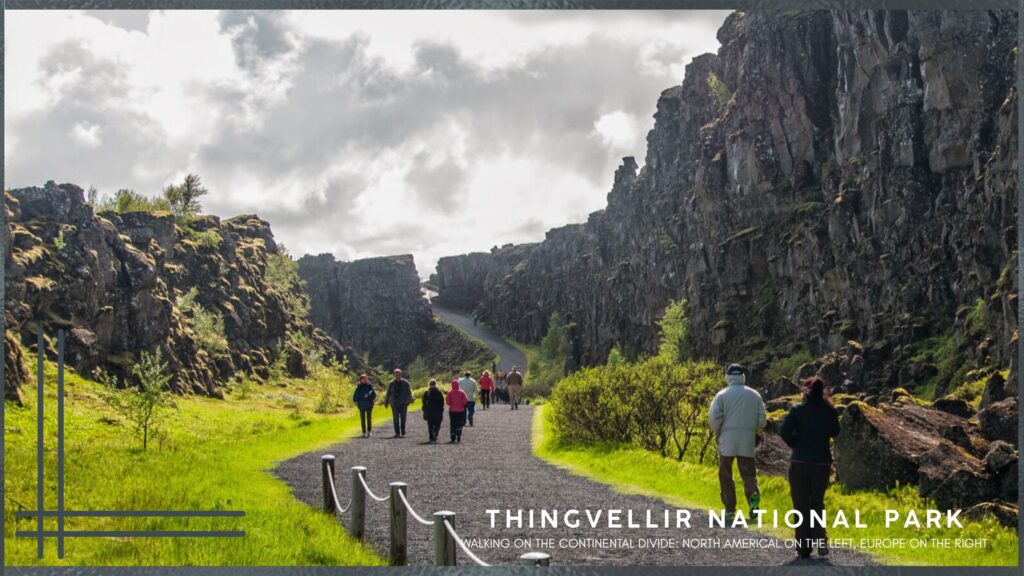
The sense of solitude was even more striking when we arrived at Þingvellir National Park. This place serves as the central gathering site for major national events, such as the National Day celebrations. It is Iceland’s most important historic location and the site where the world’s first parliament, the Althing, was established in 930 AD. Yet it was completely still. There were no crowds, no vendors, and no souvenir stalls. The only signs of people were a scattering of tourists dwarfed by the dramatic cliffs. Beyond its historic significance, Þingvellir also holds extraordinary geological importance. It sits directly between the Eurasian Plate and the North American Plate. Visitors can literally walk through the rift between two continents, which makes the experience feel surreal.
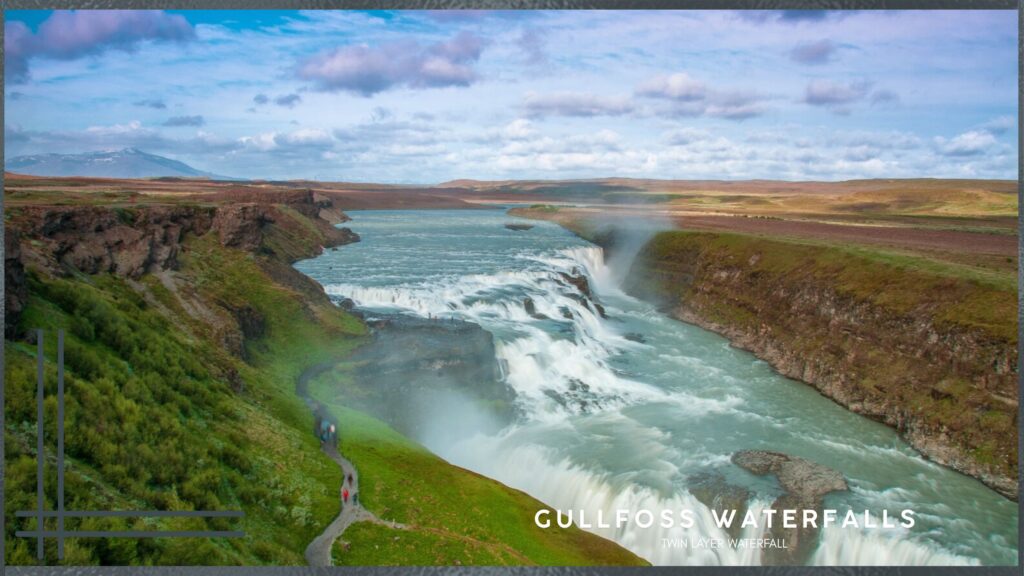
From there we continued to Gullfoss, one of Iceland’s most famous waterfalls and part of the Golden Circle route that includes Þingvellir, Geysir, and Gullfoss. Gullfoss tumbles in two tiers into a narrow canyon. As we stood watching, twin rainbows arched above the falls. We warmed up afterward with steaming bowls of lamb stew at the rest stop. It was simple comfort food that tasted twice as good on a cold, rainy day. Our next stop was the geothermal area of Geysir, which gave the English language the word “geyser.” The original Great Geysir is mostly dormant now, but its neighbor Strokkur erupts every three to four minutes, shooting boiling water high into the air. We stood there for nearly half an hour, waiting and cheering at every eruption like children watching fireworks.
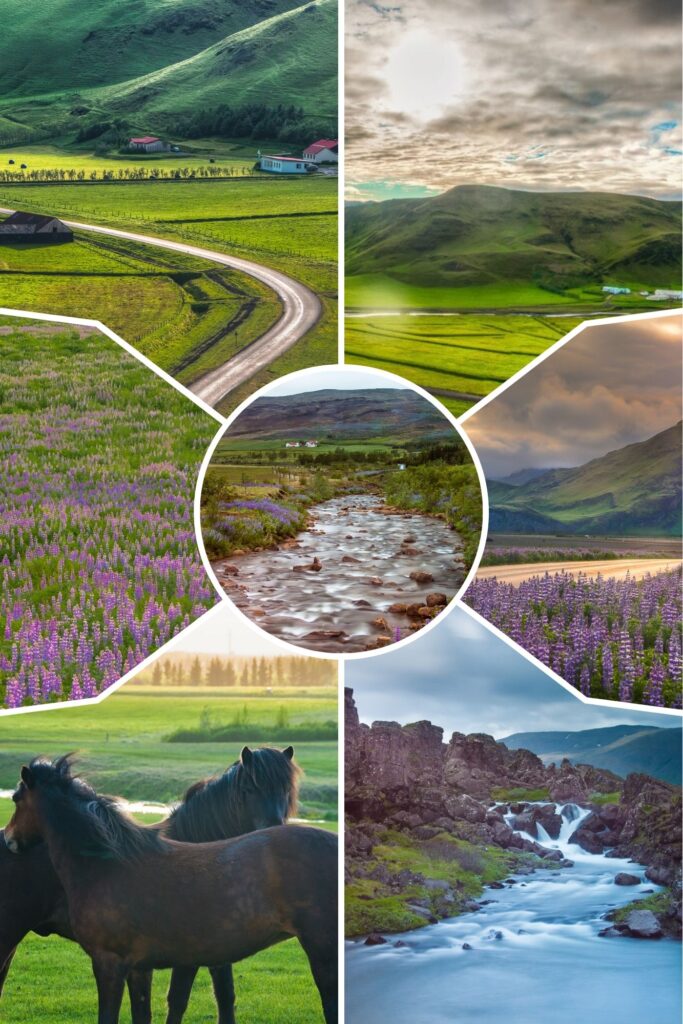
Our progress that day was slow because we kept stopping to admire and photograph the scenery. The weather was unusually chilly for summer. Despite its name, Iceland does not have icy weather throughout the year. Coastal areas usually see winter temperatures around 30°F, while the interior is colder. Summer temperatures are normally around 50 to 55°F. When we were there it drizzled constantly, which made the air feel even colder. In some ways this was a blessing. If the weather had been perfect, we might have lingered too long at each stop. The cold rain pushed us back into the car and onward to the next destination.
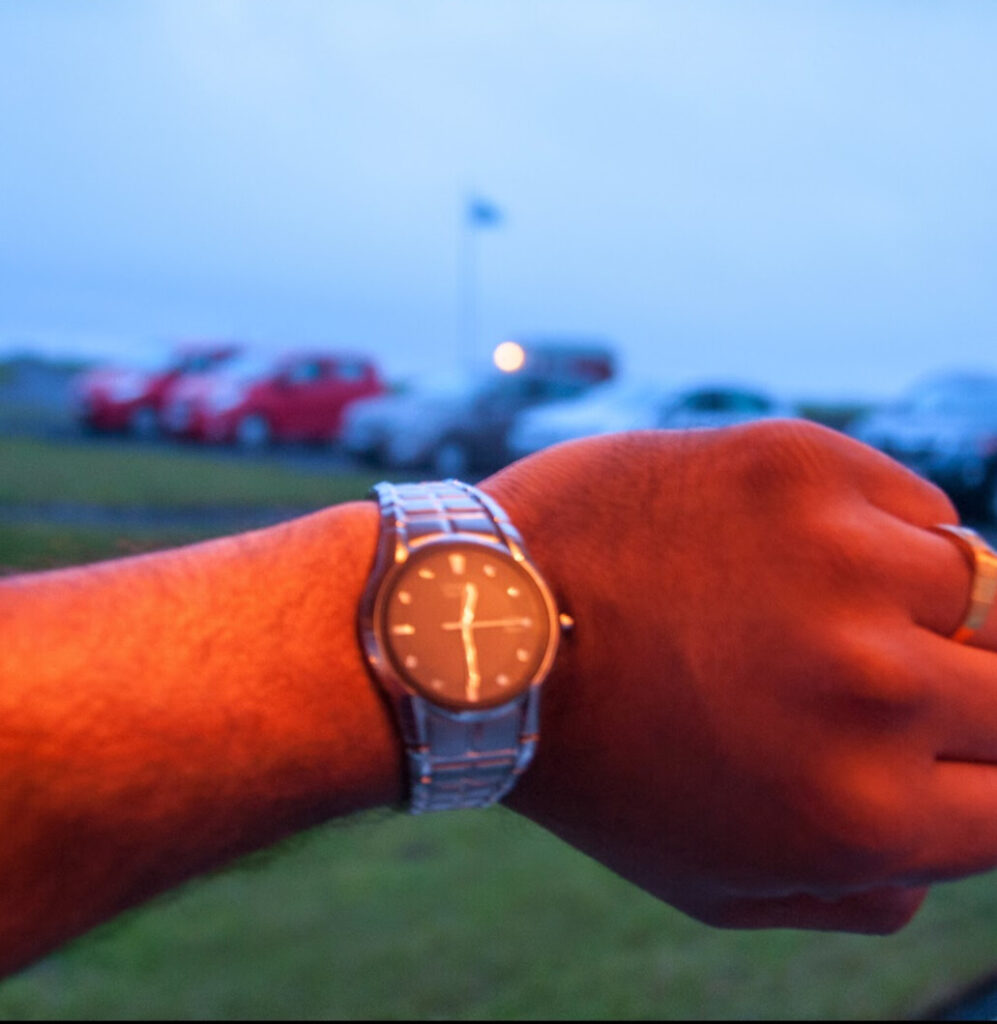
We stayed that night at Hotel Lækur, a cozy bed and breakfast that also operates as a horse farm about two hours from Reykjavík, closer to the southern town of Vík. The family who ran it was wonderful. Despite our late arrival at 11 p.m., they warmed milk for our two year old daughter. It was still light outside, and our host casually mentioned that this was the darkest it would get at that time of year. Around 3 a.m. the sun would begin to rise again.
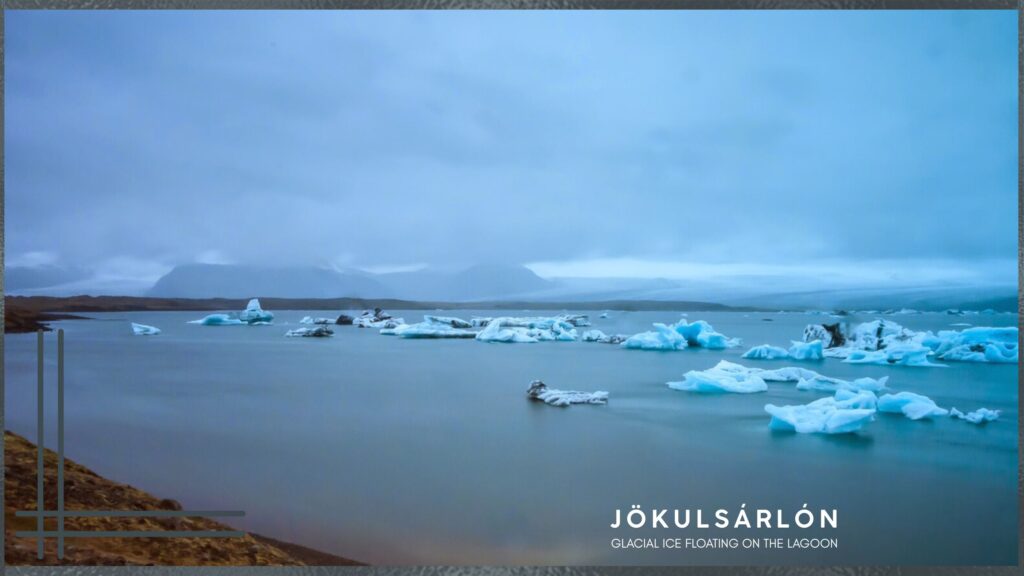
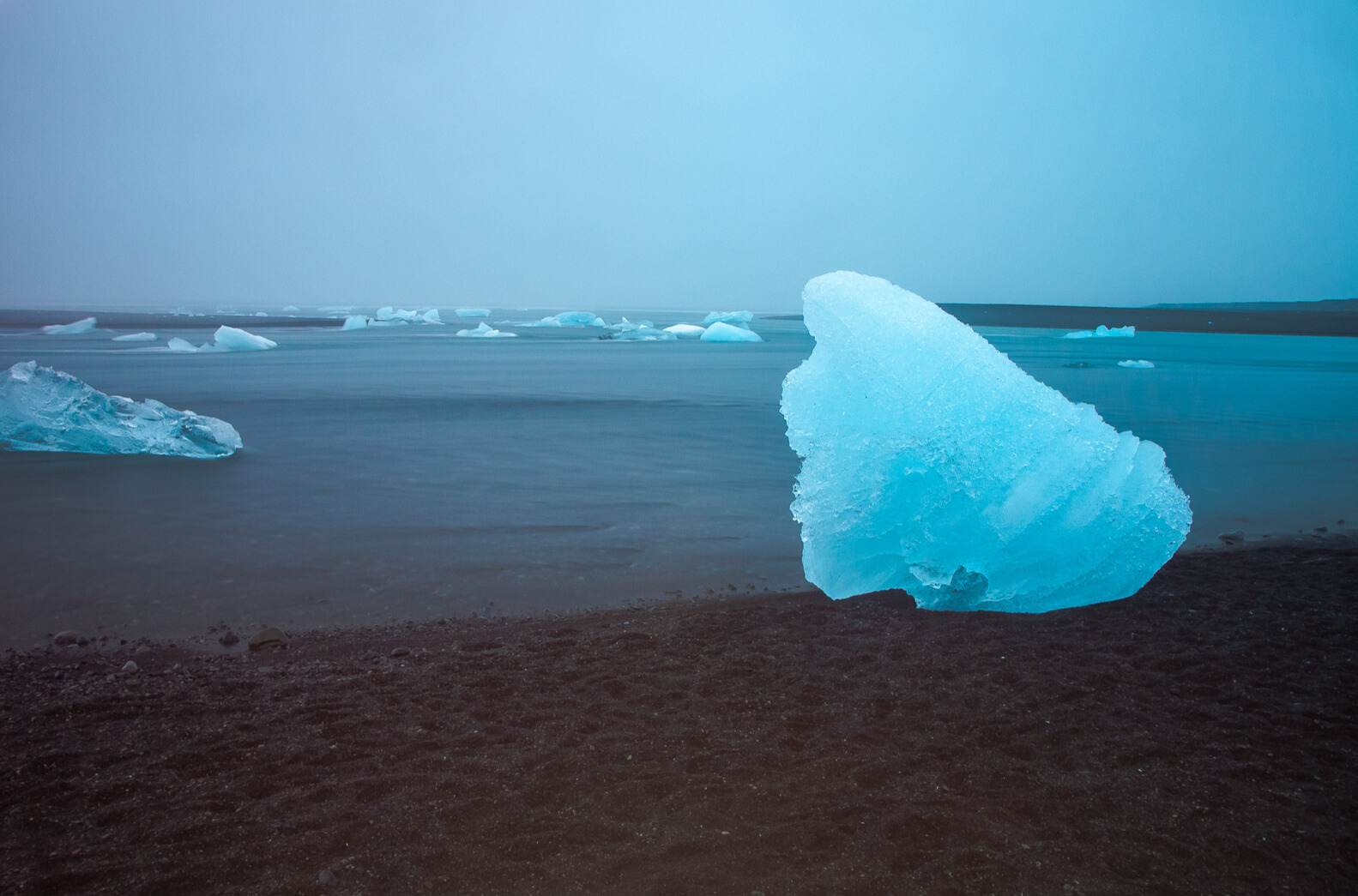
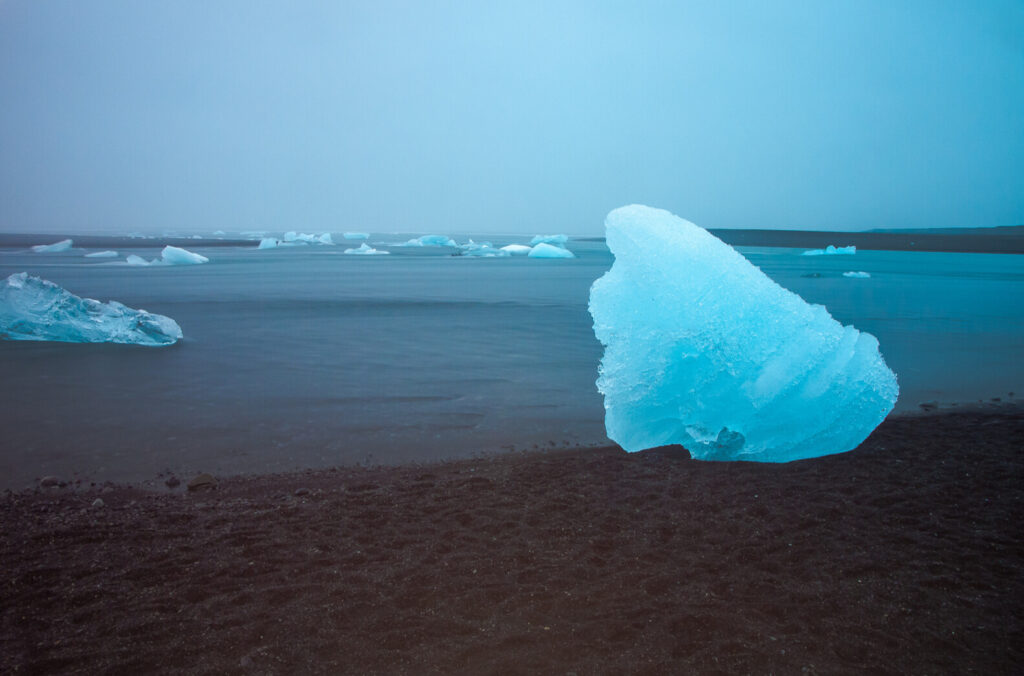
The next morning, after a hearty breakfast of eggs, pancakes with berry syrup, and Iceland’s famous yogurt, Skyr, we set off toward Jökulsárlón Glacier Lagoon in Vatnajökull National Park. Vatnajökull is the largest glacier in Europe and covers about 8 percent of the country. At the lagoon, icebergs break off from the glacier and drift slowly toward the sea. The area has appeared in films such as Die Another Day and Batman Begins. Seeing blue icebergs scattered across the black sand beach was unforgettable. We climbed a small hill to take in the panoramic view of the glacial river filled with floating ice.
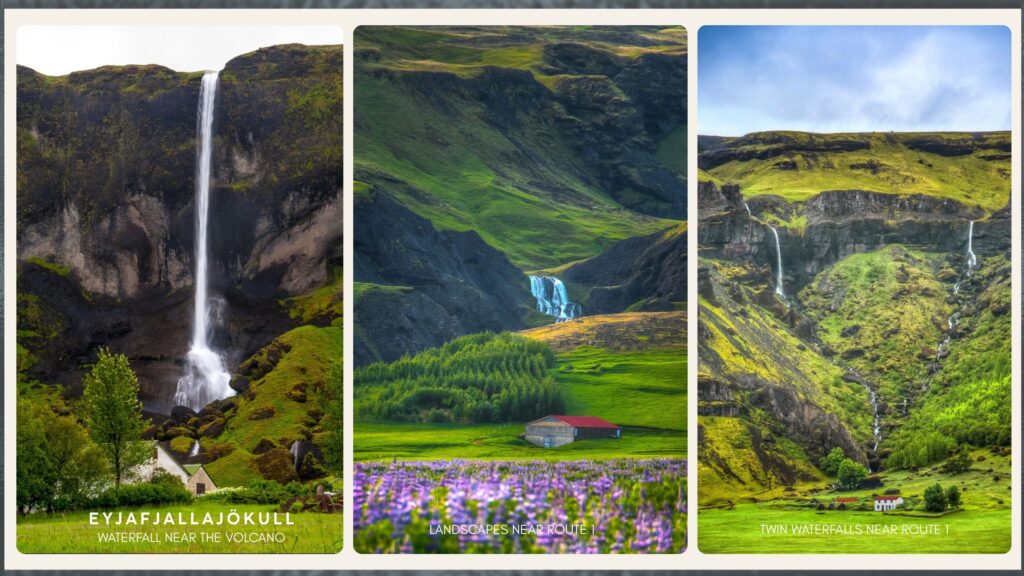
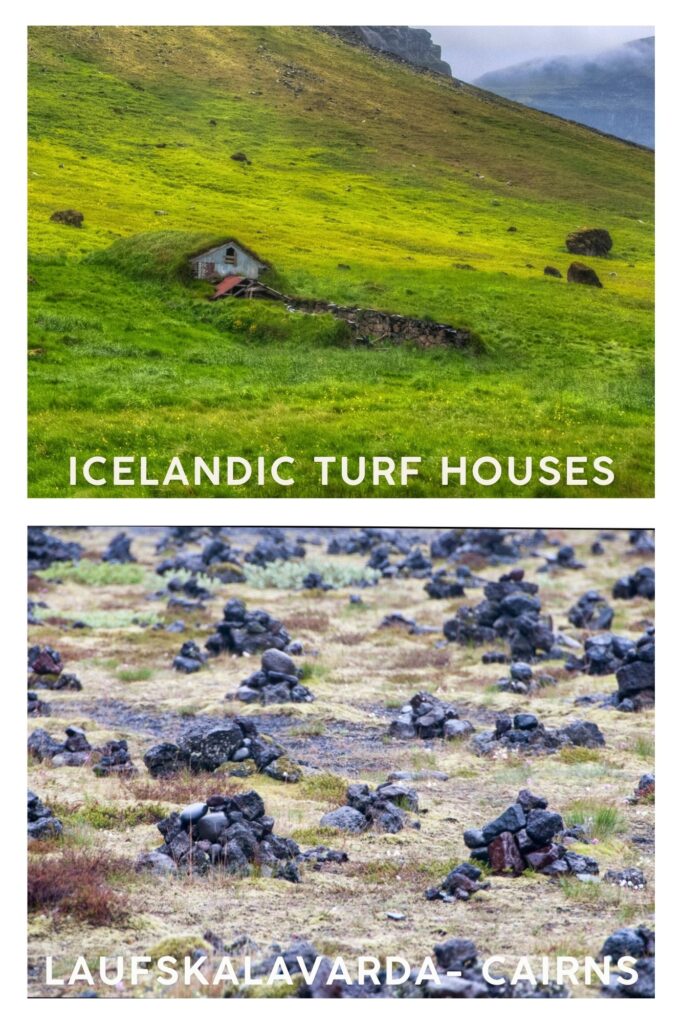
The return drive along Route 1, the highway that circles Iceland, was spectacular. Black volcanic soil and massive glaciers gradually gave way to a rocky landscape filled with stacked stones. At first we thought these were natural formations, but we soon learned they were cairns built by travelers, each person adding a stone for good luck. Soon the rocky terrain gave way to green valleys, horse farms, and the occasional Icelandic turf house, built partially into the earth with grass-covered roofs that blend into the landscape. Waterfalls appeared every few miles. We stopped frequently to photograph the falls, sheep-filled meadows, and the sweeping landscape around us.
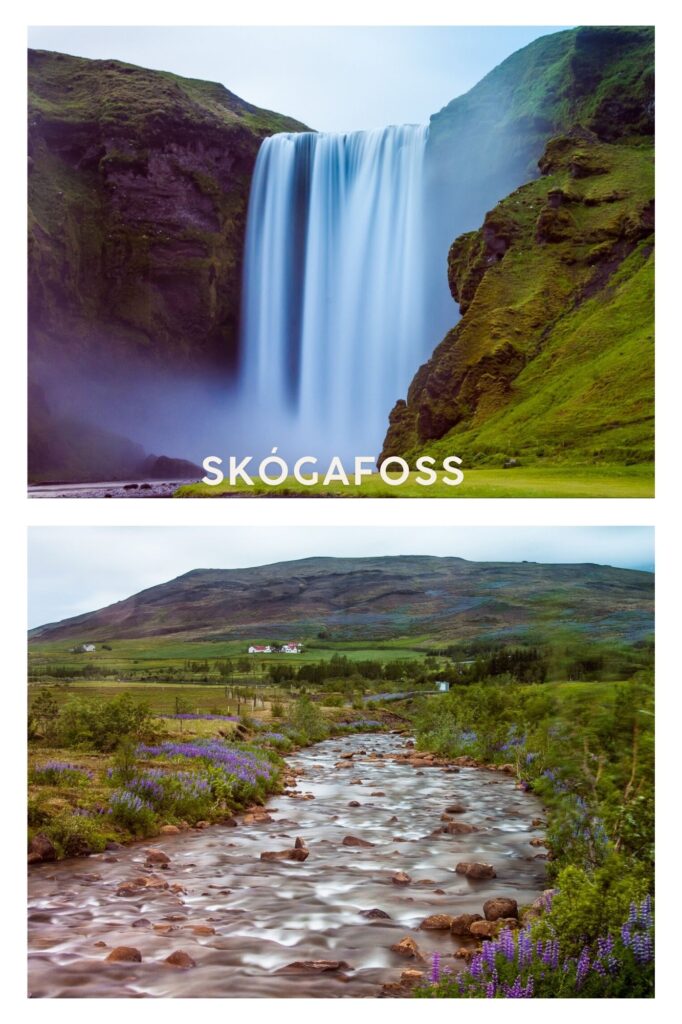
Later we visited Skógafoss and Seljalandsfoss, two of Iceland’s most beautiful waterfalls. At Skógafoss, the water cascaded into a rumbling stream across a lush green meadow where cows and sheep grazed peacefully. Our daughter was completely transfixed and wanted to cross the stream to meet the cows. Along the way we passed Eyjafjallajökull, the volcano that famously disrupted European air travel in 2010.
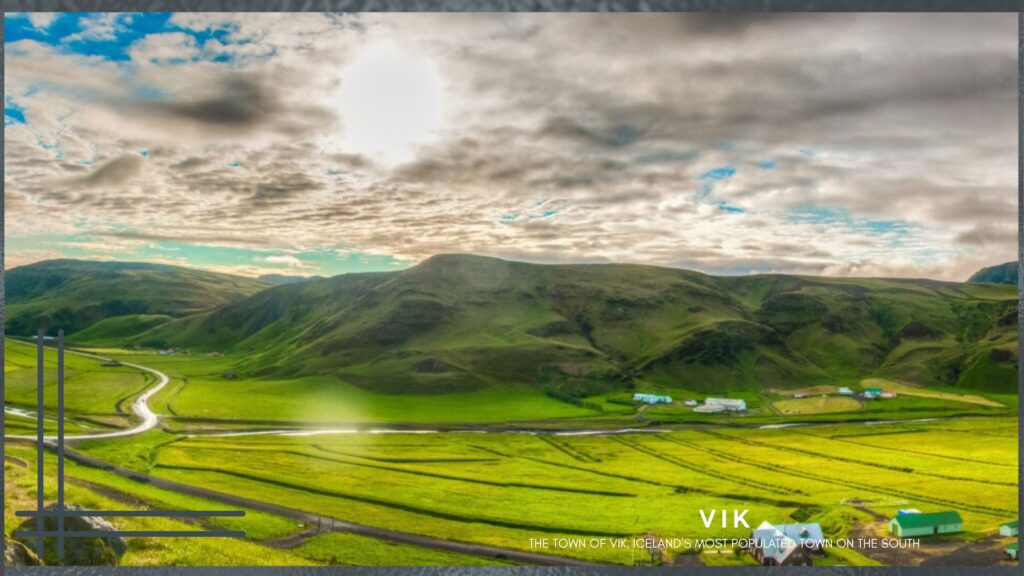
We also drove through the tiny town of Vík. It had a gas station, a grocery store, a church, and a handful of homes. During our trip planning we had read that Vík was one of the largest towns in southern Iceland. Seeing it in person underscored just how sparsely populated the country is. Dinner that night was at Hotel Rangá. The meal lived up to its reputation. The lamb was excellent, the monkfish was the best I have ever tasted, the hospitality was warm, and the bill reminded us that fresh fruit in Iceland is almost a luxury import.
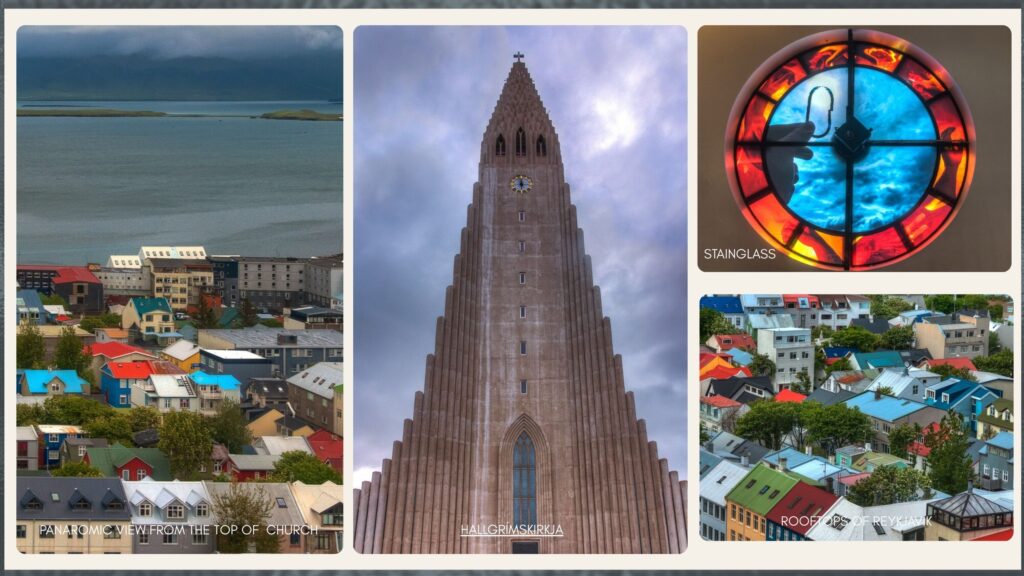
On our final day we returned to Reykjavík, Iceland’s colorful capital. Our first stop was Hallgrímskirkja, one of the tallest churches in Iceland. Its striking architecture was inspired by Iceland’s basalt lava columns. The most intriguing feature to me was the large stained glass style windows in the observation tower. Unlike traditional church windows that depict saints or biblical scenes, these windows portrayed everyday elements of Icelandic life. From the top of the tower we could see a panoramic view of Reykjavík’s colorful rooftops framed by the surrounding sea.
After a quick lunch of Iceland’s famous hot dogs, which absolutely live up to the hype, we drove back to Keflavík Airport to catch our flight home. Two and a half days were not nearly enough time in Iceland. It was just long enough to spark curiosity and leave us certain that we would return someday, perhaps in winter to see the Northern Lights.
A Few Curious Facts About Iceland This trip took place in 2013, before Iceland became one of Europe’s most popular travel destinations. Tourists were relatively few. It may have been one of the only countries where we did not encounter another Indian family during the entire trip.
- There are no trains in Iceland.
- Icelandic last names follow a patronymic system. A man named Jón might have a son named Jónasson and a daughter named Jónasdóttir.
- Iceland once had an openly gay prime minister, which reflects the country’s remarkably tolerant society.
- Knitting is practically a national pastime. The famous Lopapeysa sweaters with patterned collars are everywhere and quite expensive. *
- Despite its name, Iceland is not extremely cold. Thanks to the Gulf Stream, coastal areas remain relatively mild, and only about 11 percent of the country is covered in glaciers.
- Much of Icelandic history survives through medieval sagas that recount voyages, family feuds, and legendary heroes.
- There are very few trees. Early settlers cut most of them down centuries ago, and the landscape has remained largely treeless ever since.