
We left Mikelina Boutique Hotel , out the outskirts of Athens, early in the morning. Mikelina was literally a boutique hotel : it was both a boutique clothing store and a hotel. The hotel was comfortable but we did not have time to enjoy it since we arrived there from Santorini late at night. After a quick but hearty breakfast, we packed up and began our long drive north to one of mainland Greece’s attractions: Meteora
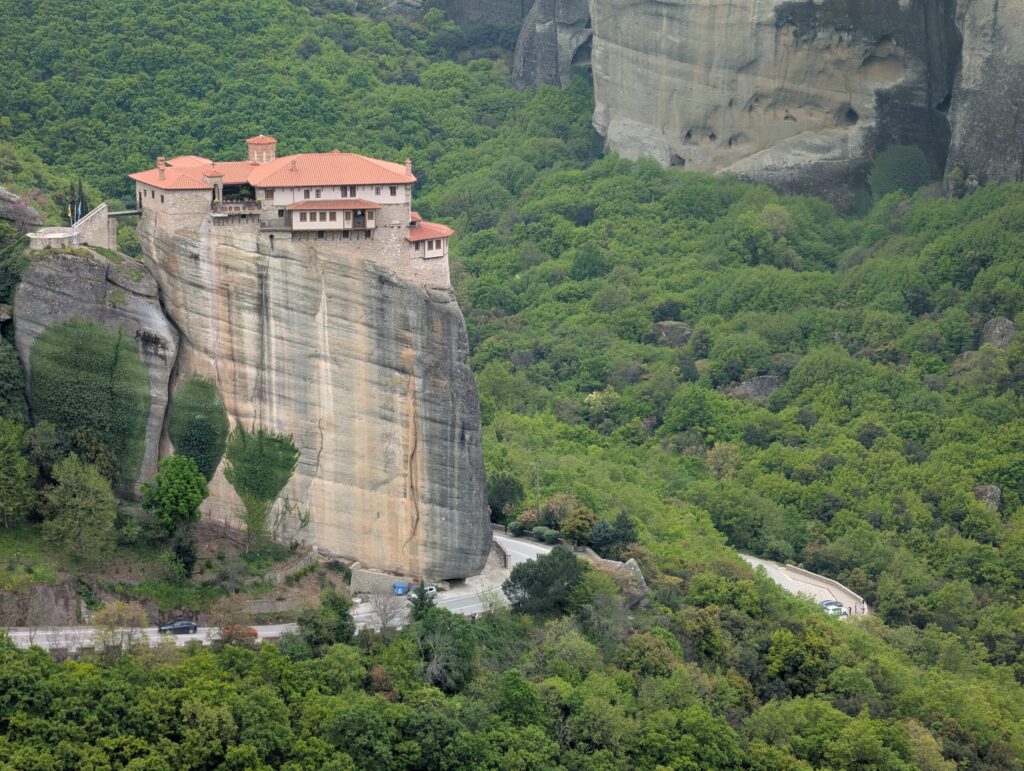
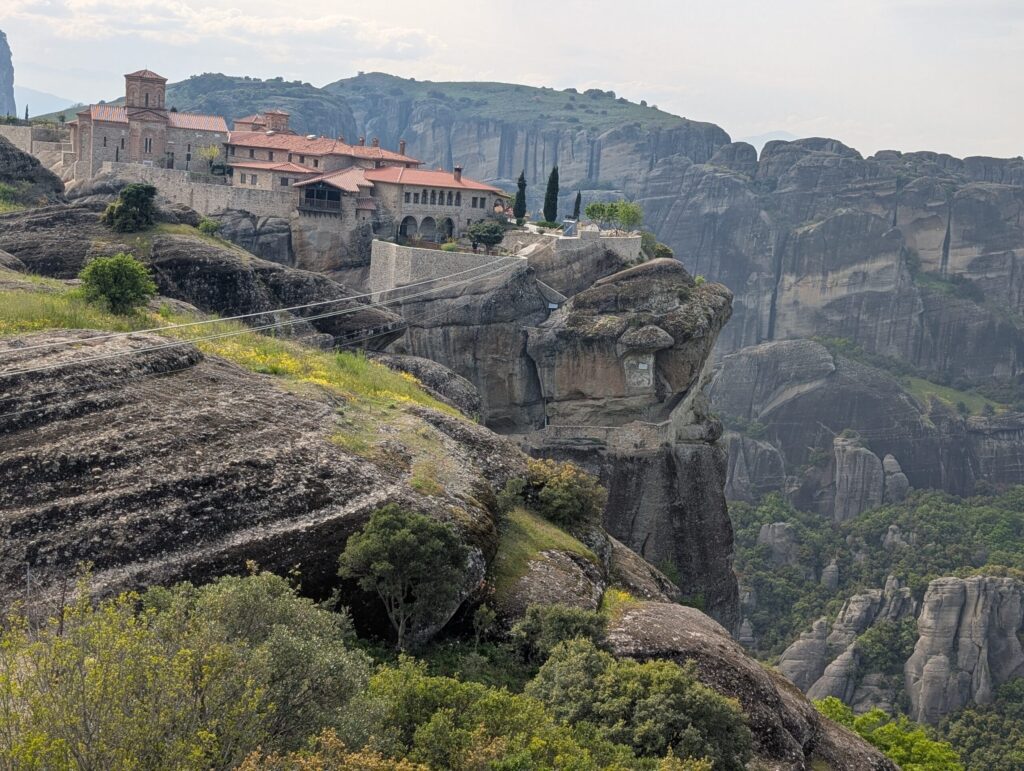
Meteora is one of those places that defy explanation until you see it for yourself. There were rolling green hills on the way to Meteora but suddenly there were these tall, steep rock formations that arose abruptly from the Thessalian plains. And perched atop these sheer cliffs sit ancient monasteries – six of them at the moment – that seem to be fashioned from the rock, almost as though the rock was shaved off to reveal the monasteries that existed within . The name “Meteora” itself means “suspended in the air,” and nothing could describe the feeling better.
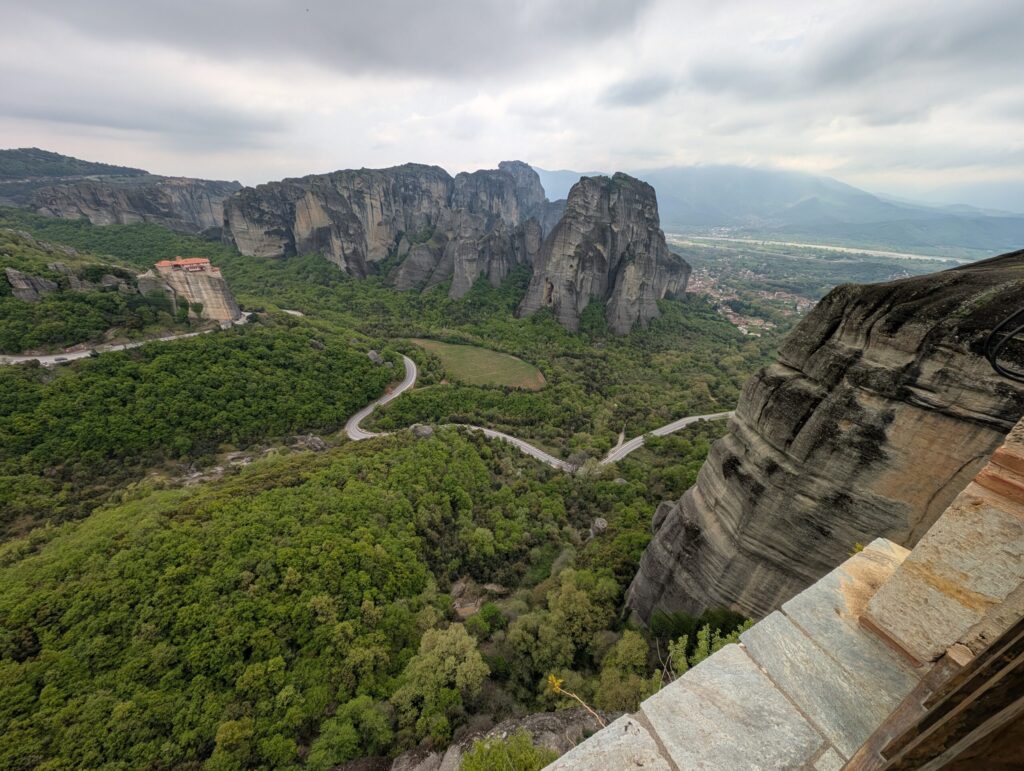
The history here is just as incredible as the landscape. Hermit monks began settling in the caves of these cliffs as early as the 9th century, no doubt with the goal of achieving a closer connection with the Heavenly Father. By the 14th century, they started building monasteries, swinging to the other extreme—quite literally—from cave-dwelling to constructing grand sweeping structures on the clifftops. Back then, there were no stairs. Monks used rope ladders to climb up and hauled supplies up in nets using pulleys. This death defying method was the only access route until around the 1920s, when steps were finally carved into the rocks. Even now, reaching the monasteries isn’t exactly a stroll—you can drive to the base, but you’ll need to climb stairs to reach each one.
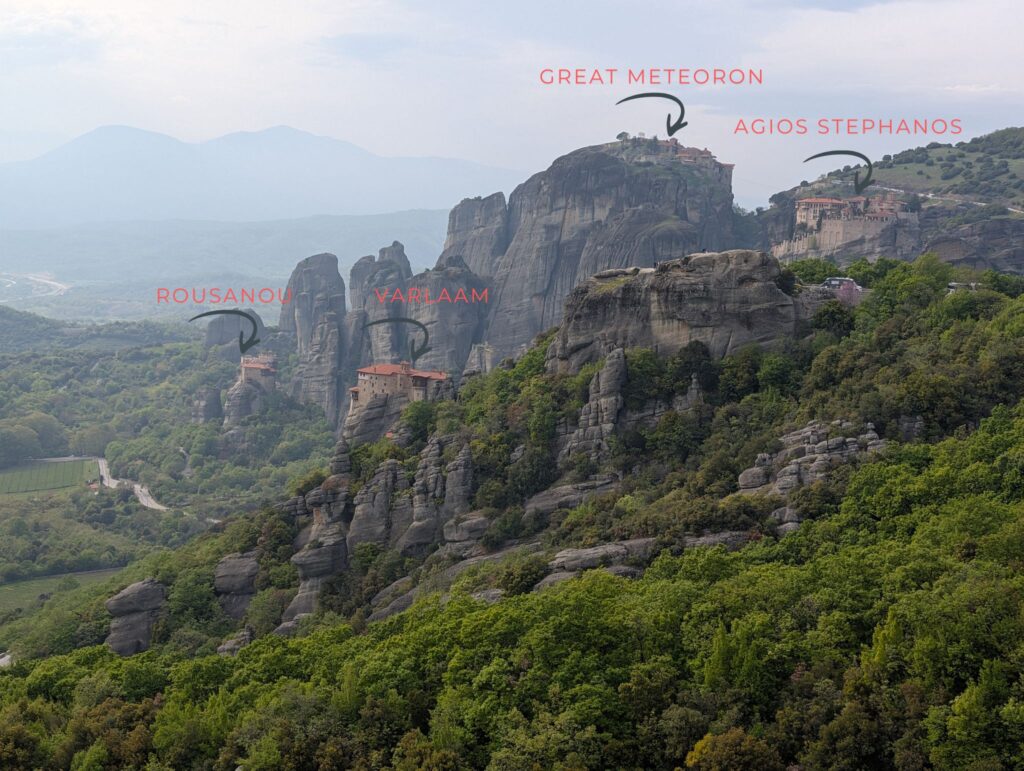
Of the original 24 monasteries, only six are still functioning today—four monasteries and two nunneries—home to fewer than 50 monks and nuns in total. These are Eastern Orthodox monasteries that are still functioning and have services for the resident nuns/monks. Women are required to wear long skirts and men must wear pants that cover the knee.
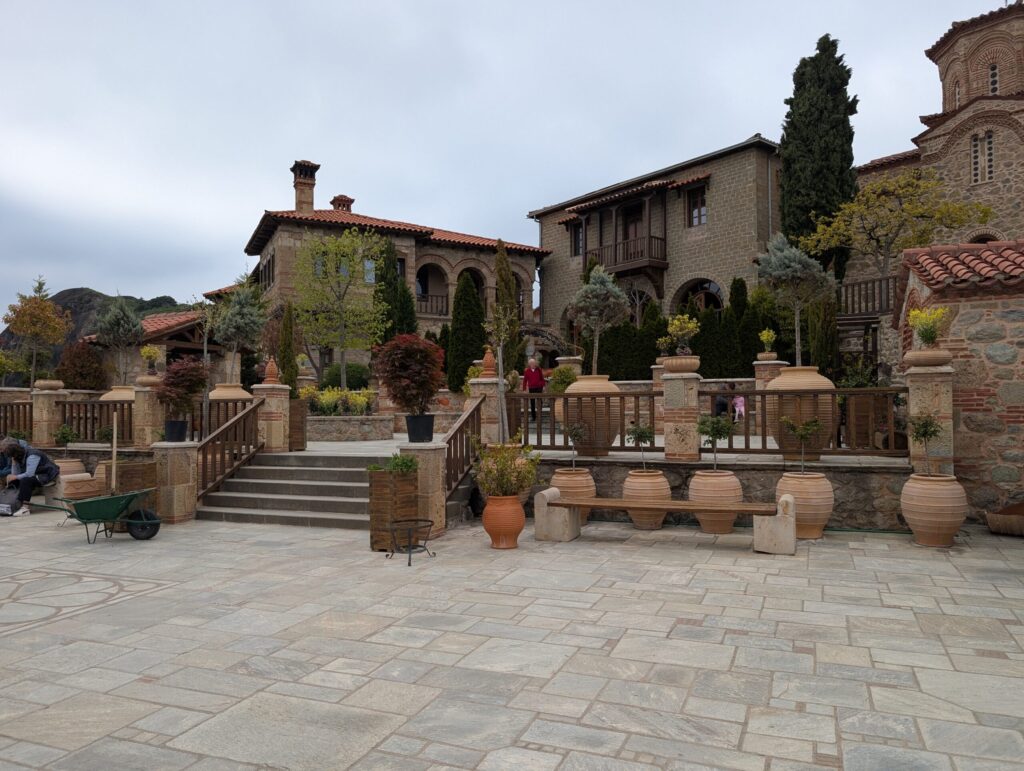
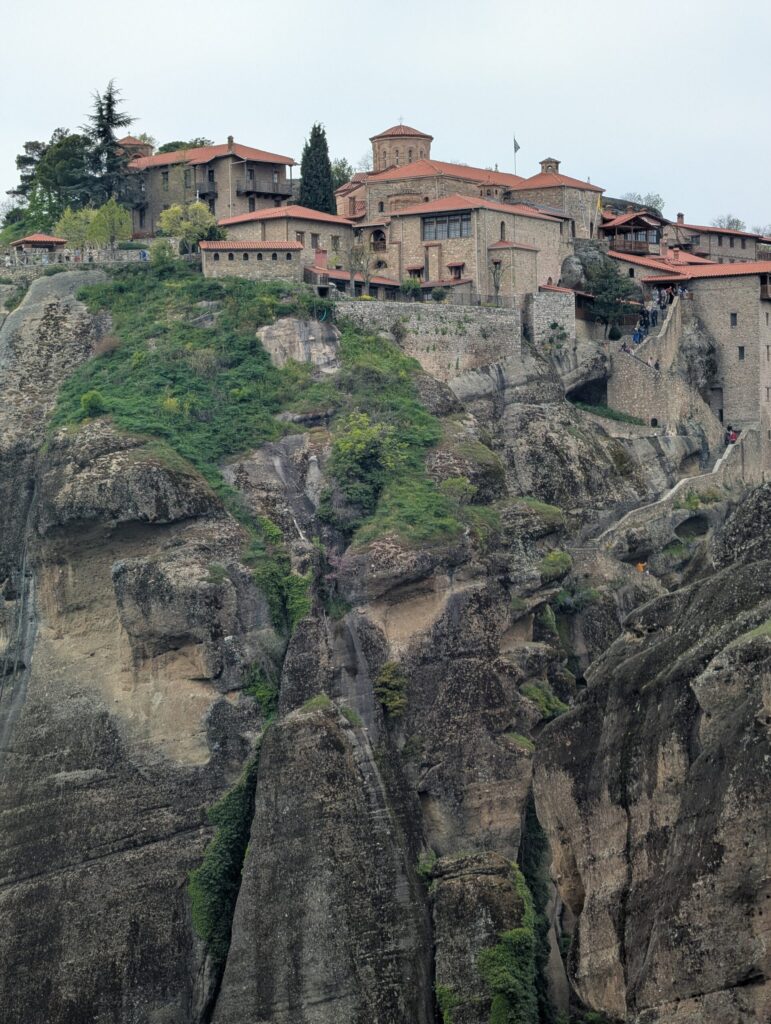
We visited the Varlaam Monastery, one of the most impressive of the lot. As we climbed the steps and crossed a small bridge that clings to the rock, the monastery rose before us in all its grandeur. Inside, the walls and ceilings were adorned with beautiful frescos: saints, biblical stories, and symbolic motifs painted in rich reds, yellows, and blues.
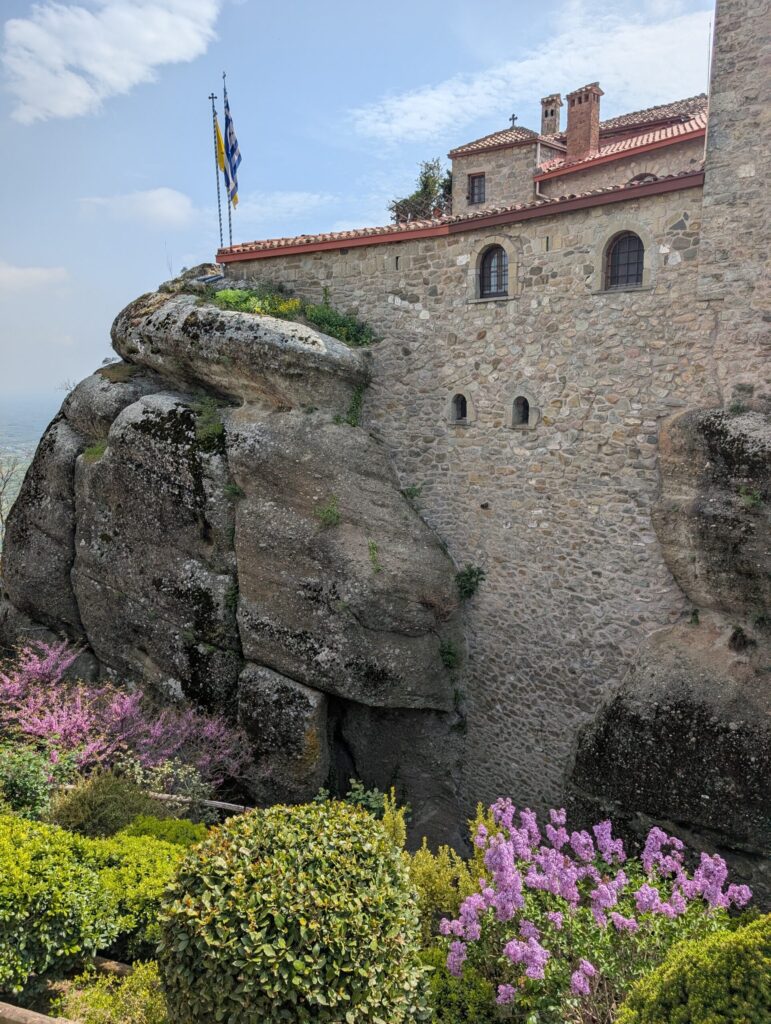
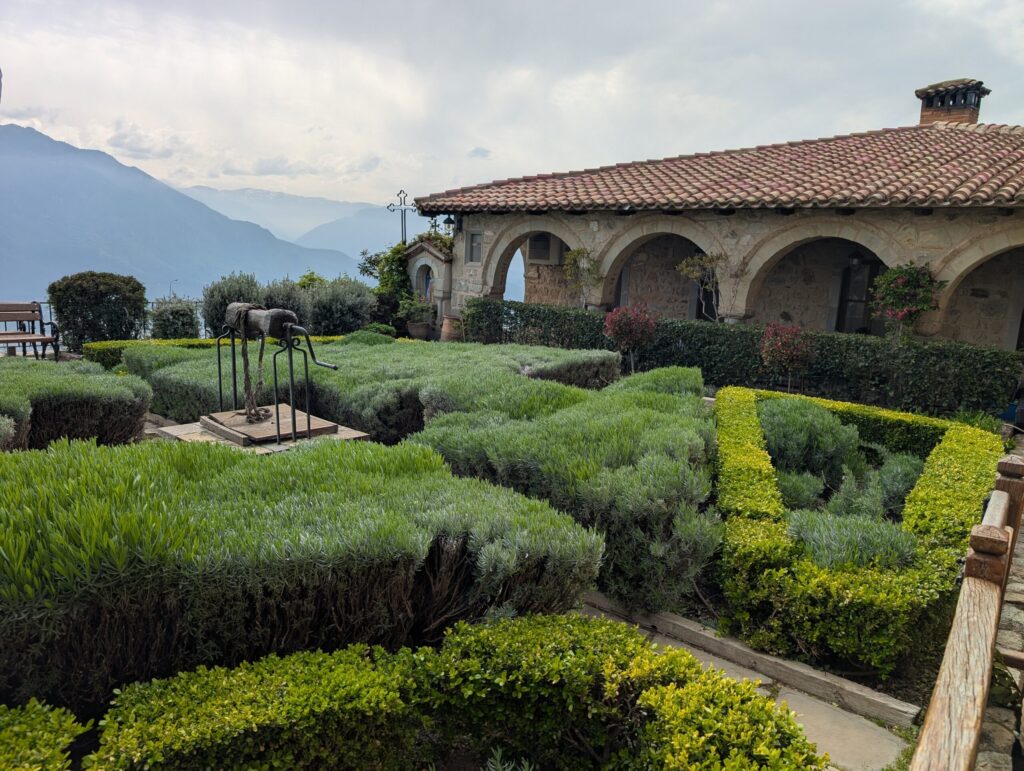
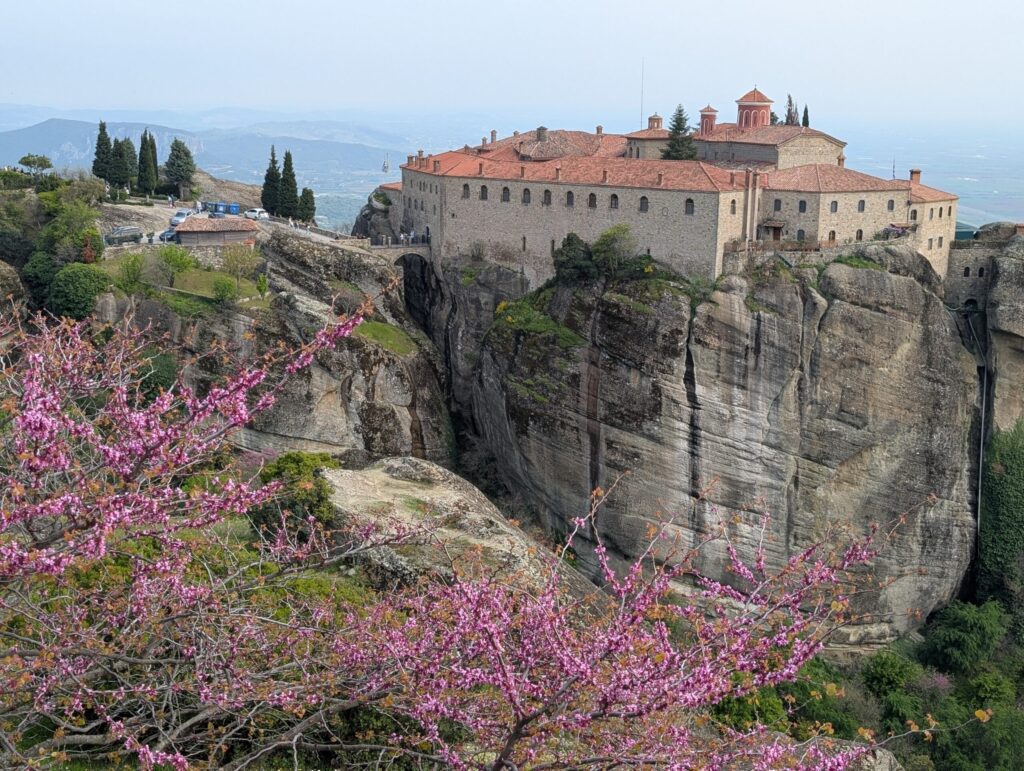
We also visited St. Stephen’s nunnery – the only one where you can drive up to the monastery and can access without climbing steep stairs. It’s also one of the two convents in Meteora (run by nuns), and from inside you get one of the best balcony views over the valley.
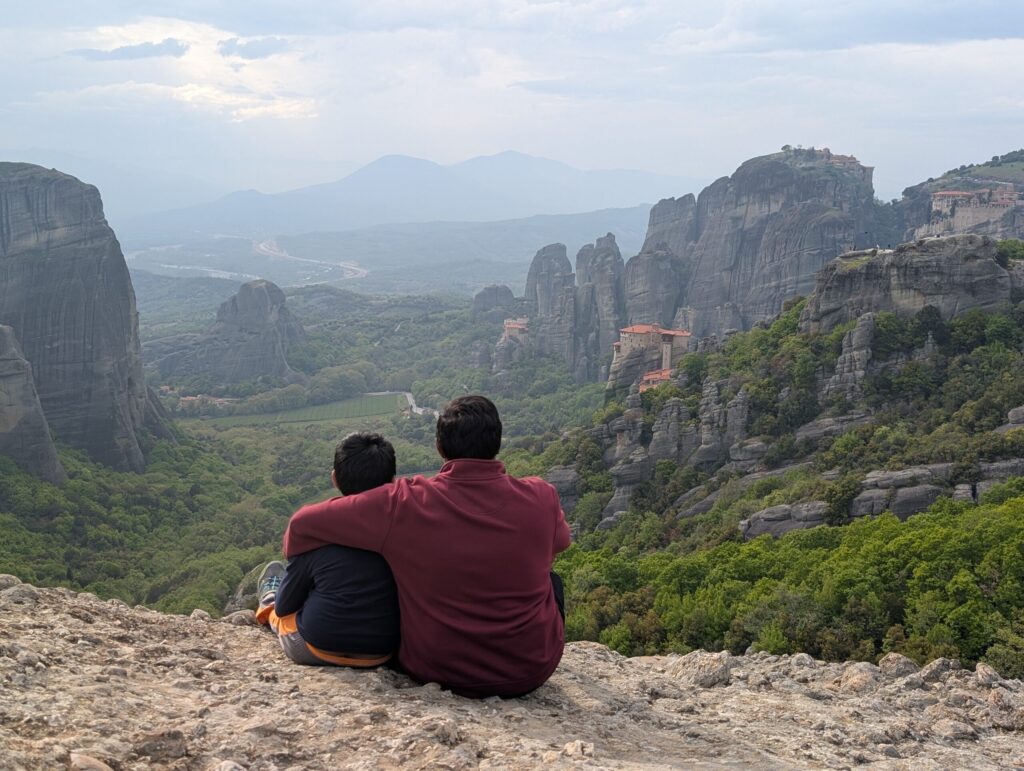
We ended the day at the Sunset Rock – but unfortunately the day was too cloudy for us to actually glimpse the sun. This spot was also a must stop since you could see 5 of the 6 monasteries from this unique vantage point with the entire town in the valley below.
Of course, no trip is without its unexpected turns. On the way to Meteora, my mother had an accident and her finger was caught between the car door. Her finger was bleeding heavily, and we grew concerned when it didn’t stop after a few hours. Thankfully, we found the Kalambaka Medical Center, where a kind physician and nurse immediately took care of her. They reassured us it wasn’t serious enough for stitches, cleaned and dressed the wound, and prescribed antibiotics and even directed us to the nearest pharmacy. All of this without charging us a penny.