

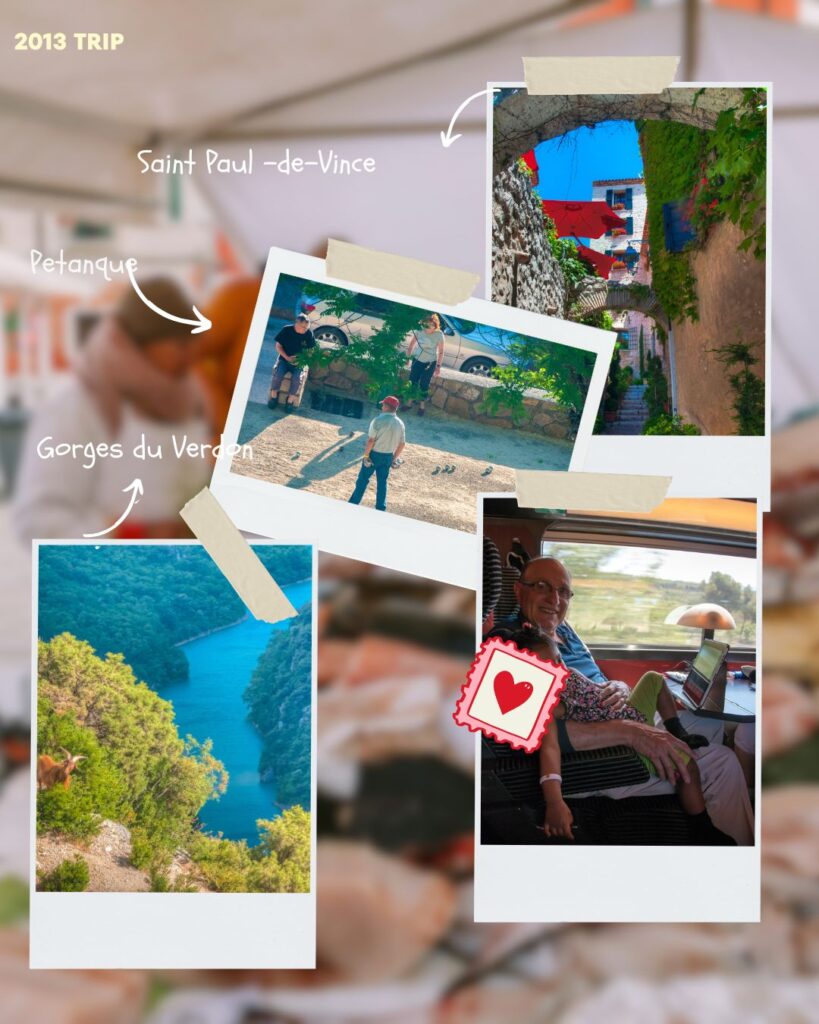
After Paris, my sister and her family returned home, but we continued south to the French Riviera. We spent three to four days in the South of France, exploring the Riviera and Provence. What stays with me from that trip are the small, almost throwaway moments: the elderly couple on the train who entertained my daughter for half the ride, the sight of locals playing pétanque in the afternoon sun, the tiny Cannes railway station that looked more like a movie prop than a major stop, a lone mountain goat perched casually on a cliff along the Gorges du Verdon loop, wandering through little towns choosing lavender sachets, and even grocery shopping at French malls.
All of that is in addition to the extraordinary natural beauty we were lucky enough to see — rolling hills, rocky cliffs, blue seas, and fields of lavender just shy of their seasonal peak. Below is a brief account of the towns and cities we visited.
Antibes

Antibes was our base for three days. We rented a lovely two-bedroom apartment in a quiet gated community. On our first evening, we walked to the beach just in time to watch a spectacular sunset. We tried convincing our two year old daughter to dip her feet in the water, but the sensation of sand slipping beneath her toes horrified her. She refused to pose for pictures and clung to us like a koala. Dinner that night was at a Mediterranean restaurant overlooking Fort Carré, beautifully lit after dusk. It felt like the perfect welcome to the Riviera.
Roquebrune-Cap-Martin
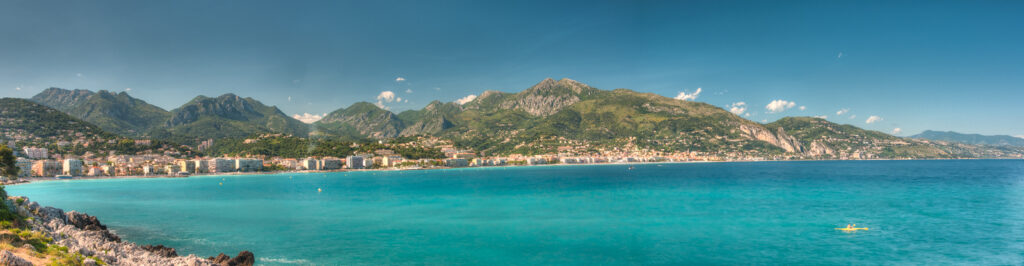
Just a stone’s throw from the Italian border, Roquebrune-Cap-Martin is a small town carved into rocky slopes overlooking the blindingly blue Mediterranean. Guidebooks claim that many buildings are painted in a distinctive shade of brown — I must admit I didn’t really notice it. What fascinated us instead were the cliffside villas that clearly belonged to the very wealthy. Getting there was half the adventure: the drive involved a series of intricate tunnels, including one that had an actual roundabout inside it.
Saint-Paul-de-Vence
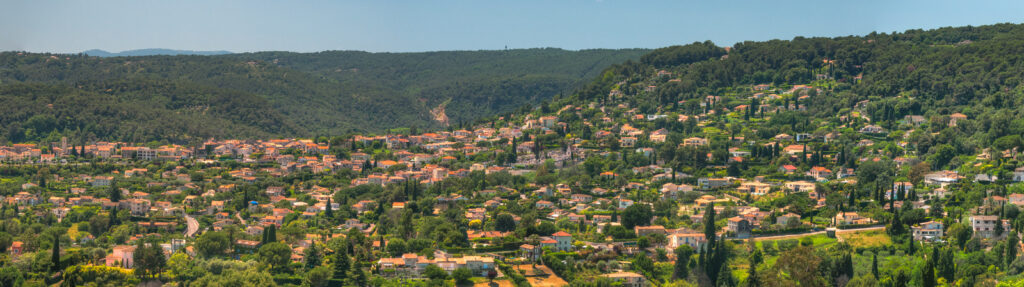
A medieval walled town perched on a hilltop, Saint-Paul-de-Vence was one of my favorite stops. With narrow winding lanes, small galleries, cafés, and views of the Mediterranean, it felt like stepping straight into the past — even with the boutique stores scattered around.
Èze
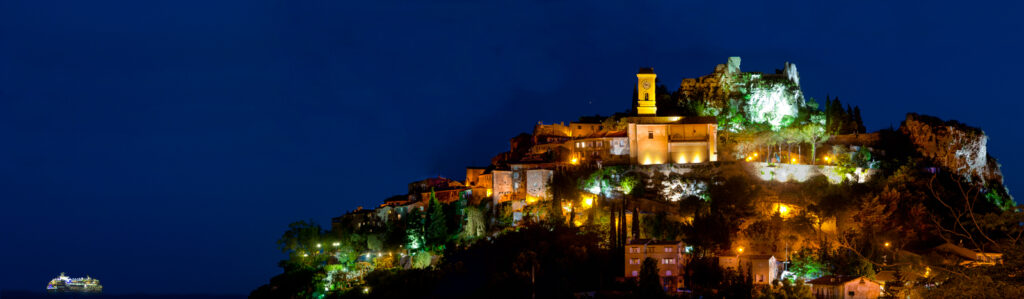
Another hilltop town with cobblestone streets and dramatic views of the Mediterranean, Èze was enchanting even though we visited late at night. The climb into the town was a bit steep, but the views were absolutely worth it. We had dinner in a tiny restaurant where we — and a cat who seemed to be part of the staff — were the only customers.
Grasse
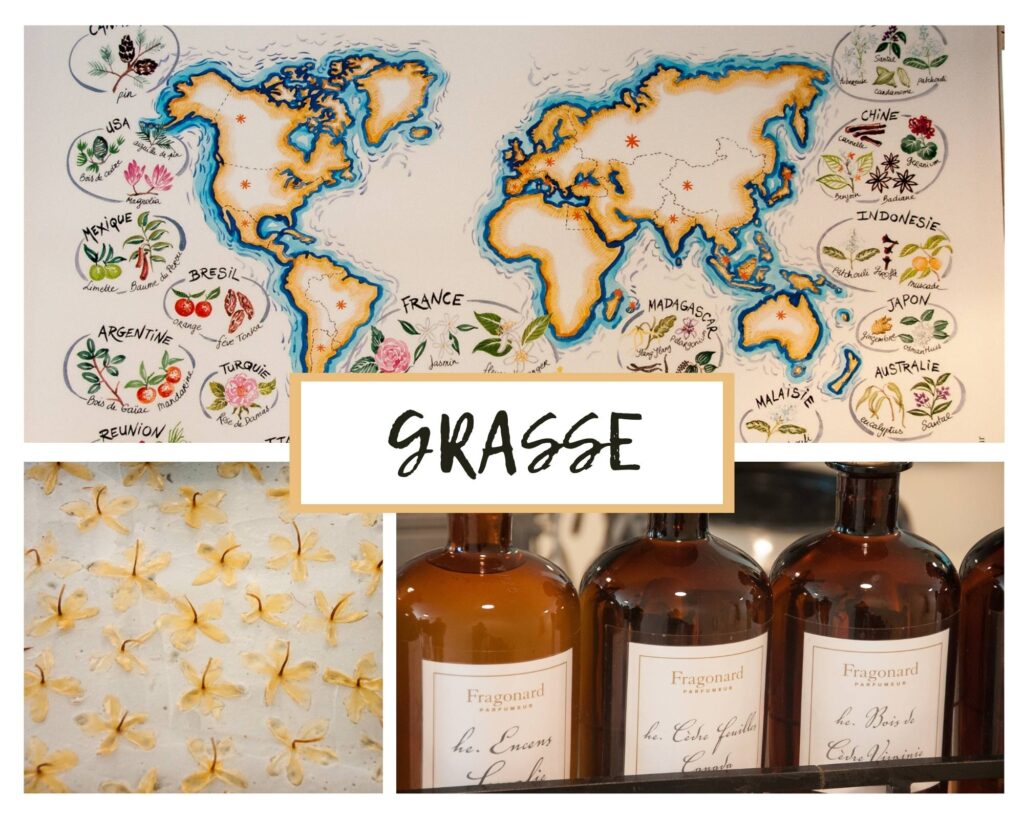
Known as the perfume capital of the world, Grasse supplies raw materials for nearly half of the world’s perfumes. The town is home to three major perfume houses, and we visited Fragonard for a free guided tour. We learned how scents are extracted, distilled, aged, and blended into perfumes and soaps. The tour was short, informative, and thoroughly enjoyable — and the entire place smelled wonderful.
Moustiers-Sainte-Marie
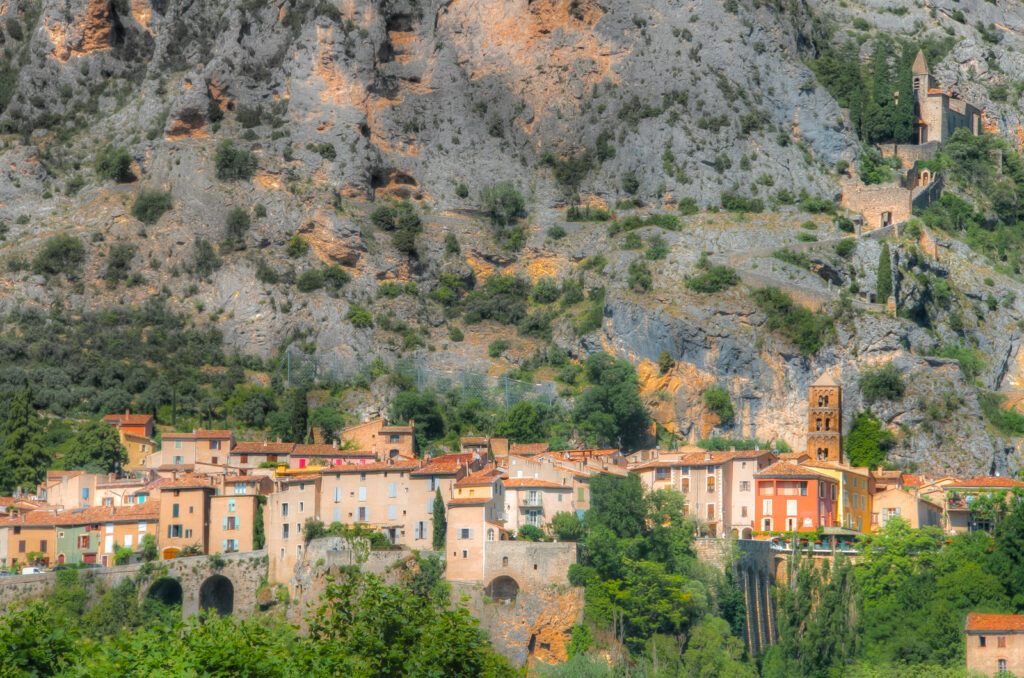
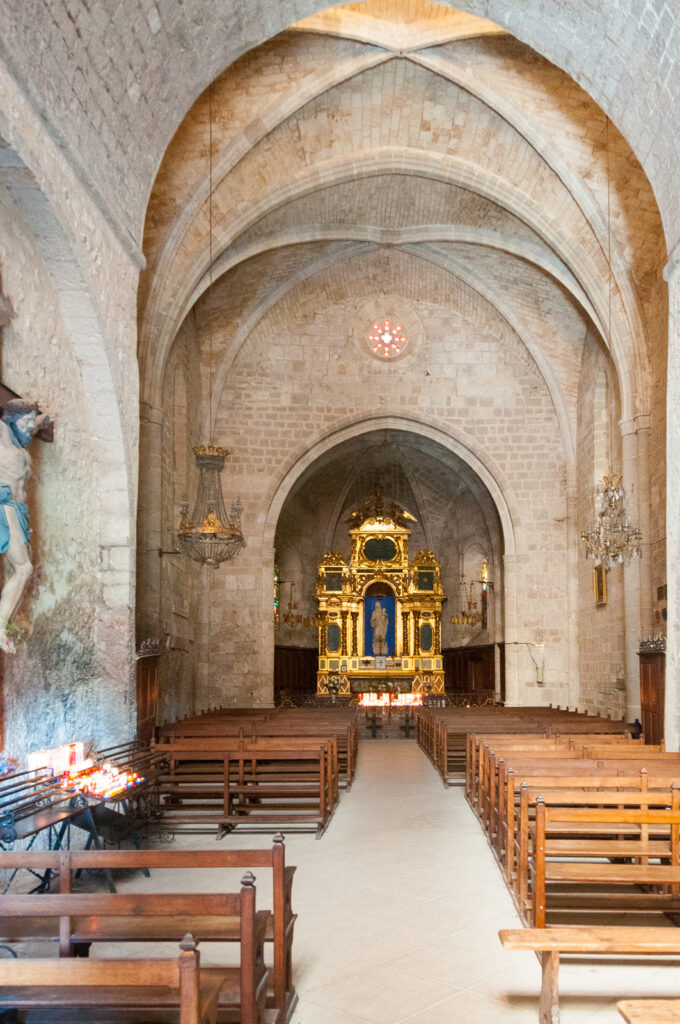
This little village sits near the start of the Gorges du Verdon loop. There’s a 12th-century chapel perched high in the mountains, accessible only by a steep climb — which, like all shrines, seems deliberately designed to test devotion and hamstrings. S went all the way up and came back with spectacular photos. The rest of us wisely turned around halfway. The village’s most striking feature is a huge star hanging between two cliffs, said to have been suspended there by a returning crusader.
Lavender Fields of Valensole
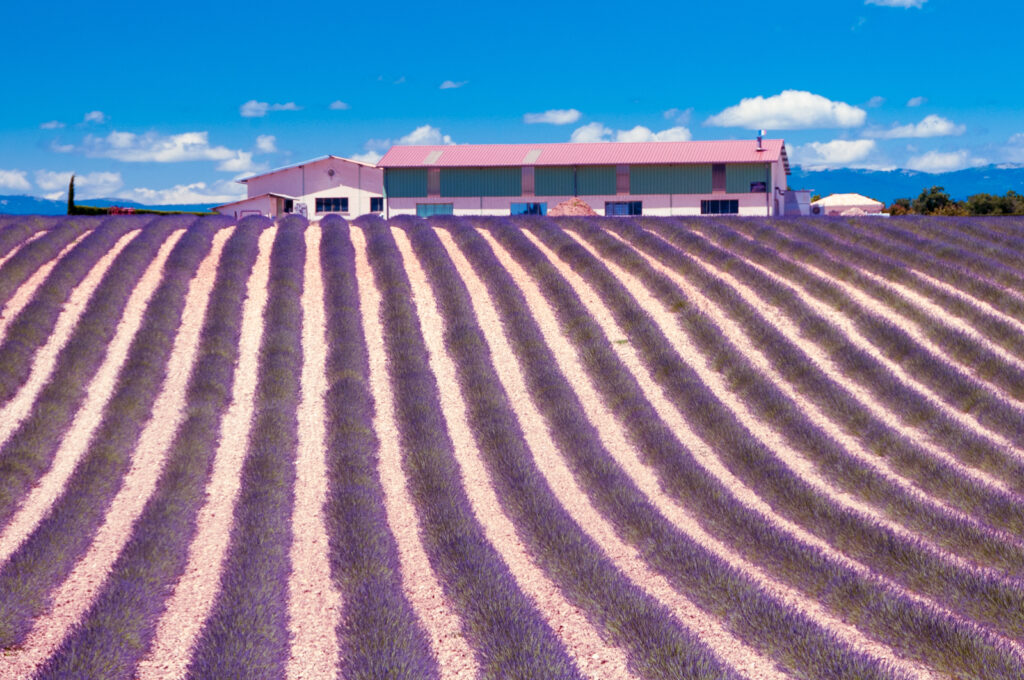
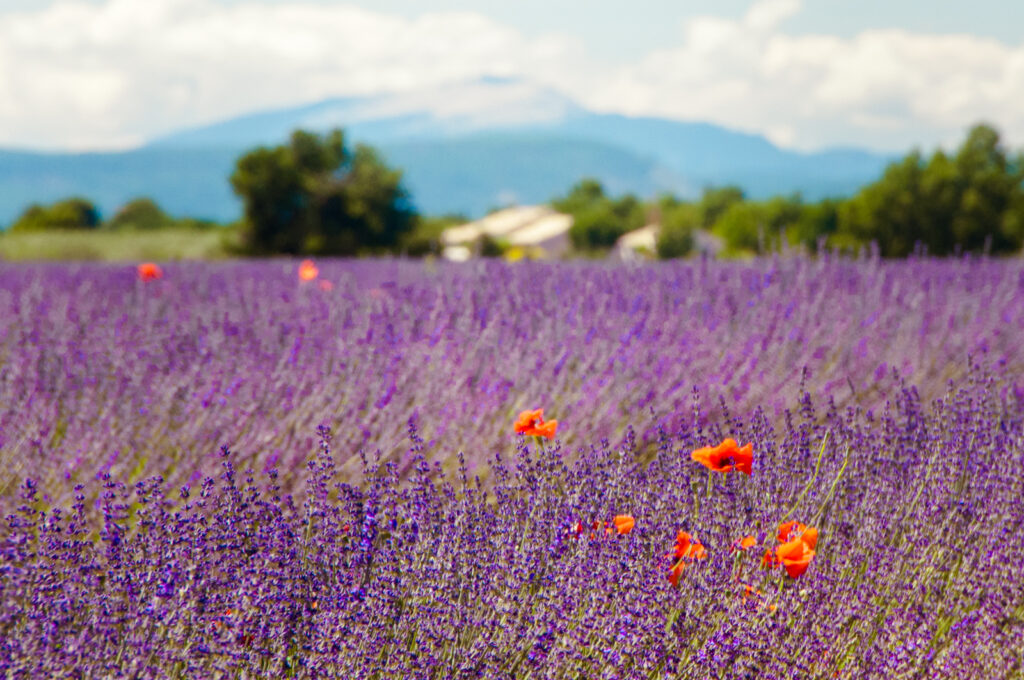
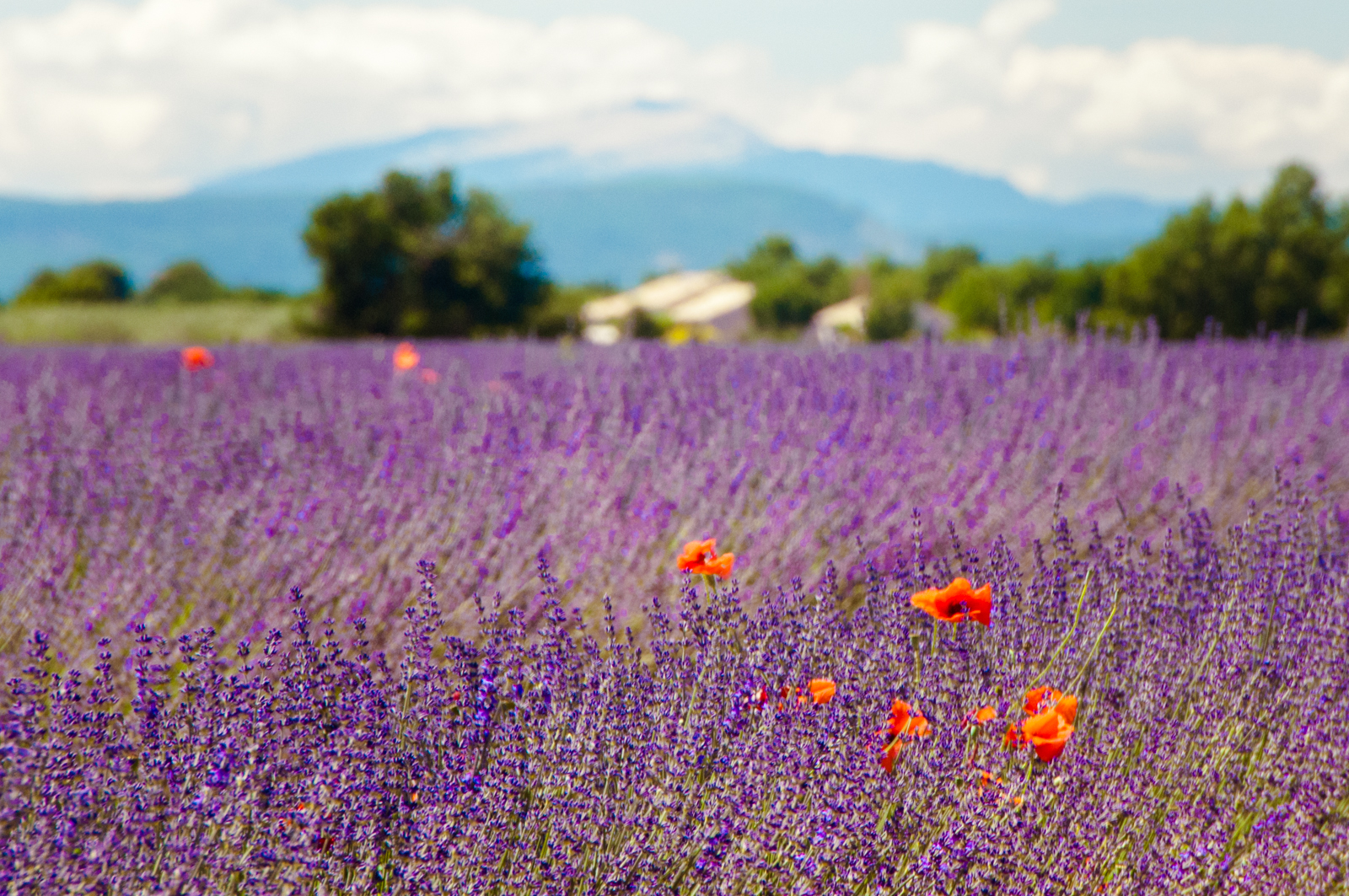
We reached the Valensole Plateau a week or two before peak bloom, but the lavender fields were still beautiful. Long rows of purple stretched across the landscape, occasionally broken by bright red poppies. The scent was incredible, and of course we bought far too many lavender sachets.
Napoleon Road
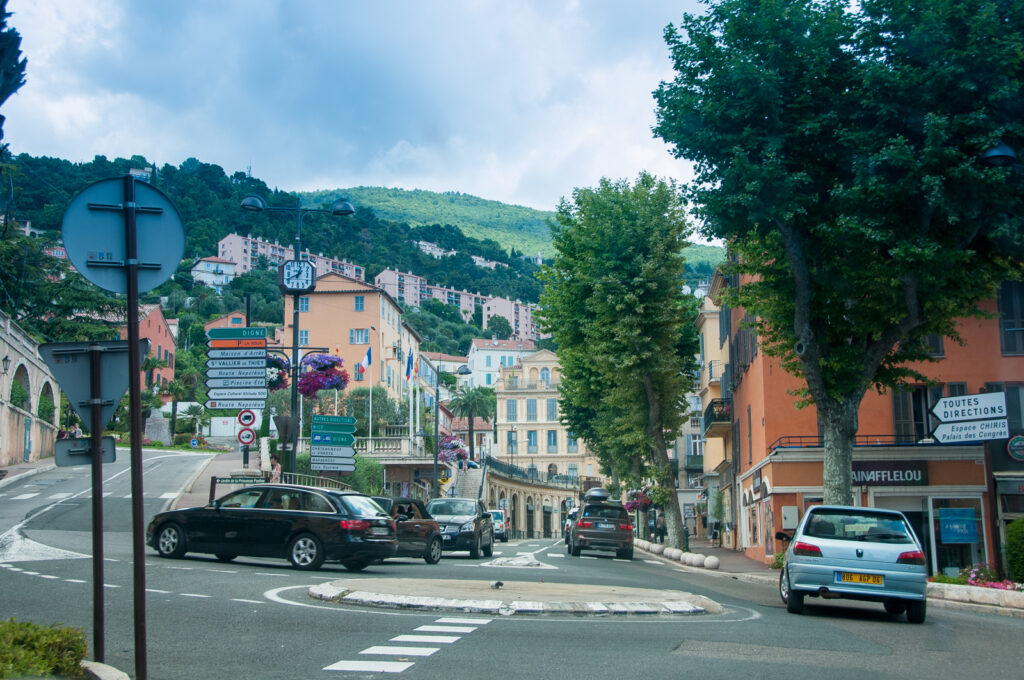
To get to Valensole, we drove along the Route Napoléon, the historic road Napoleon took in 1815 after escaping exile in Elba. Crowds once lined the road to welcome him back; now it’s a winding, twisting route through stunning countryside and a series of tiny blink-and-you-miss-them villages.
Gorges du Verdon
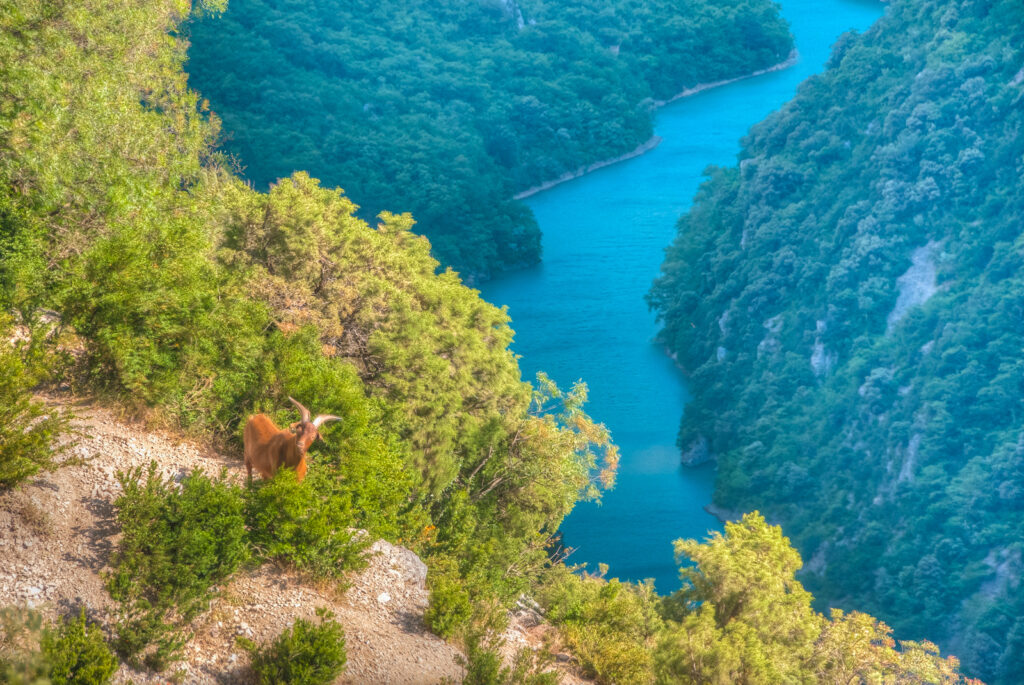
Often called the “Grand Canyon of France,” the Gorges du Verdon offers a spectacular drive along both its northern and southern rims. Scenic pullouts were surprisingly hard to spot, but once we found one, the views were worth every missed turn: emerald-green cliffs plunging into a turquoise river far below. At the end of one loop, we found a tiny town selling souvenirs and an extremely potent amaretto liqueur.
Monaco

Monaco was exactly what you would expect: designer stores, the famous casino, glossy yachts in the marina — the whole place radiates wealth. But by sheer luck, we stumbled upon a quiet rooftop garden with apricot and olive trees, completely empty and offering a stunning view of the ocean. It was the calmest corner in one of the busiest squares of Europe.
Nice
We only passed through Nice briefly, but we did see the wide, palm-lined Promenade des Anglais and the rocky beaches with their iconic blue chairs. The city deserves far more time than we were able to give it.