


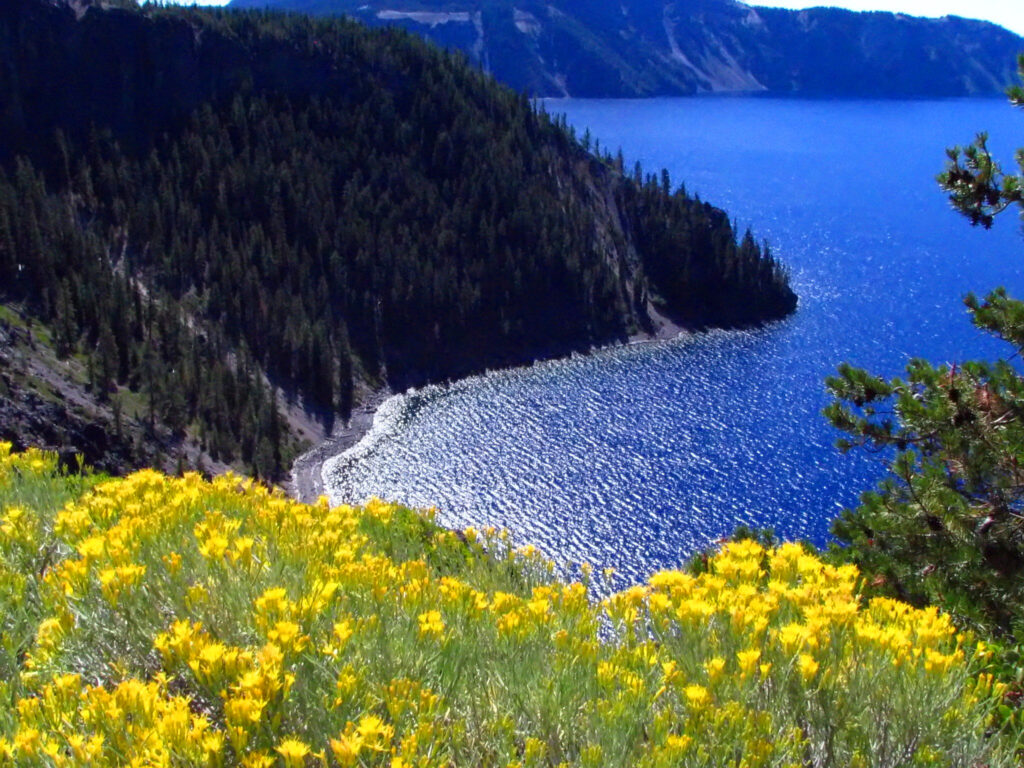
While deciding on our next trip, we settled on Oregon through a simple process of elimination. I had a free ticket to fly anywhere within the continental United States, the West Coast was the farthest we could travel, and since California didn’t particularly appeal to me, we turned our attention to the next state. The fact that we had heard so much about Oregon’s natural beauty sealed the decision. Our plan was to land in Portland, drive east through Mount Hood along the Columbia River Gorge, continue south along the Cascade Lakes Scenic Byway to Crater Lake in southern Oregon, then head west to central Oregon and the coast before driving back north along the Pacific Coast to Portland.
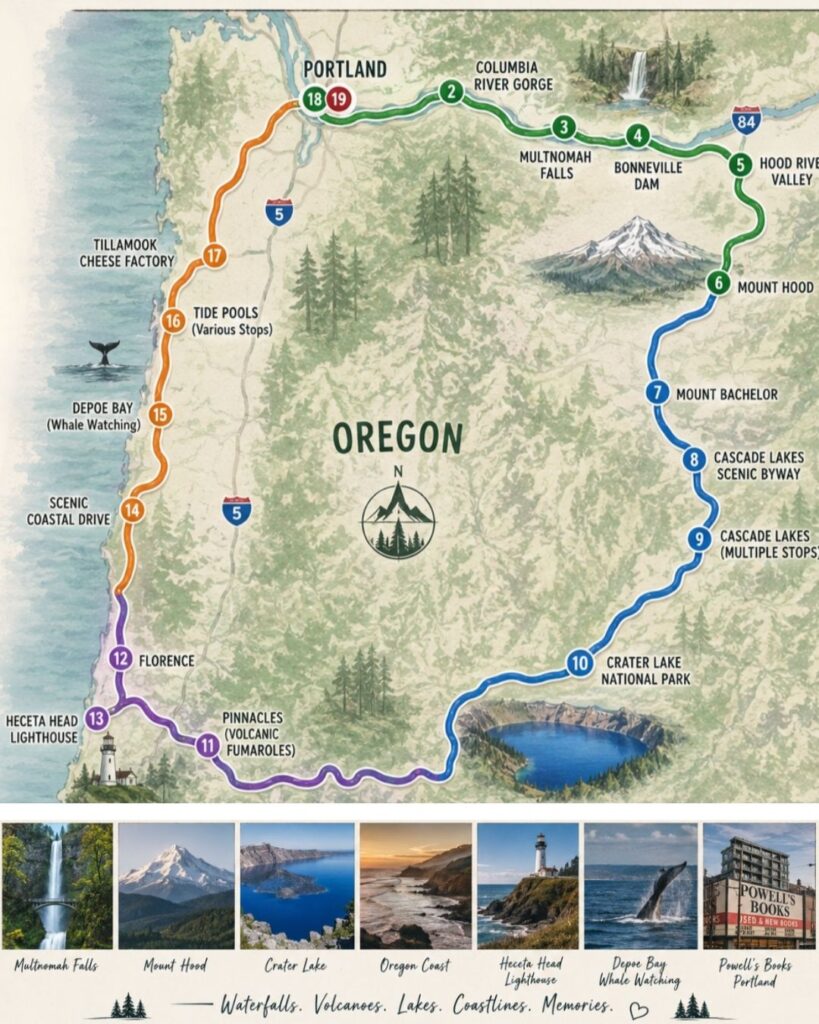
### Day 1 We landed at Portland Airport early Friday afternoon after an early morning flight from Baltimore. To get to the airport in time for window seats, we had to wake up at 3 a.m., approximately the time I usually go to bed. The six-hour flight turned out to be just long enough for a good nap. By 11 a.m. Pacific time, we were buckled into our rental Subaru and heading out of the city. Like most American cities, Portland had its share of familiar strip malls, department stores, and chain restaurants. But once outside the city, the landscape changed dramatically. Every region has its own distinctive character: Virginia has rolling green hills, Utah and Colorado have the Rockies, Texas has endless flat plains. Here, dense coniferous forests lined both sides of the road.
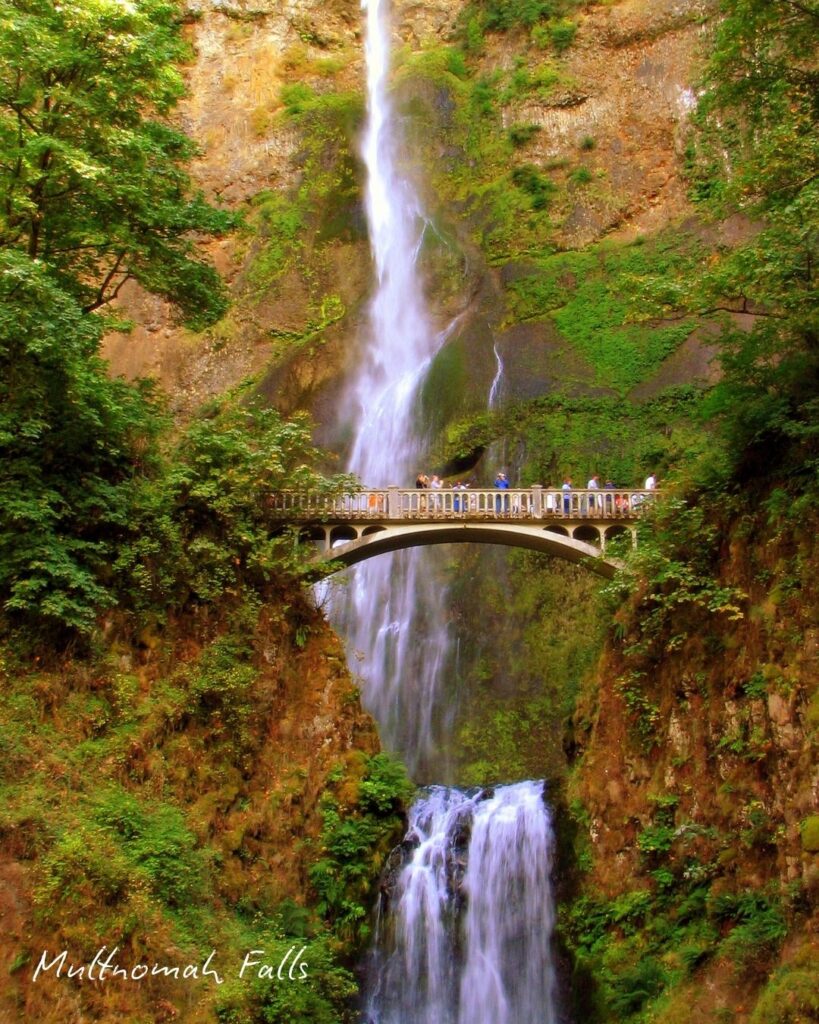
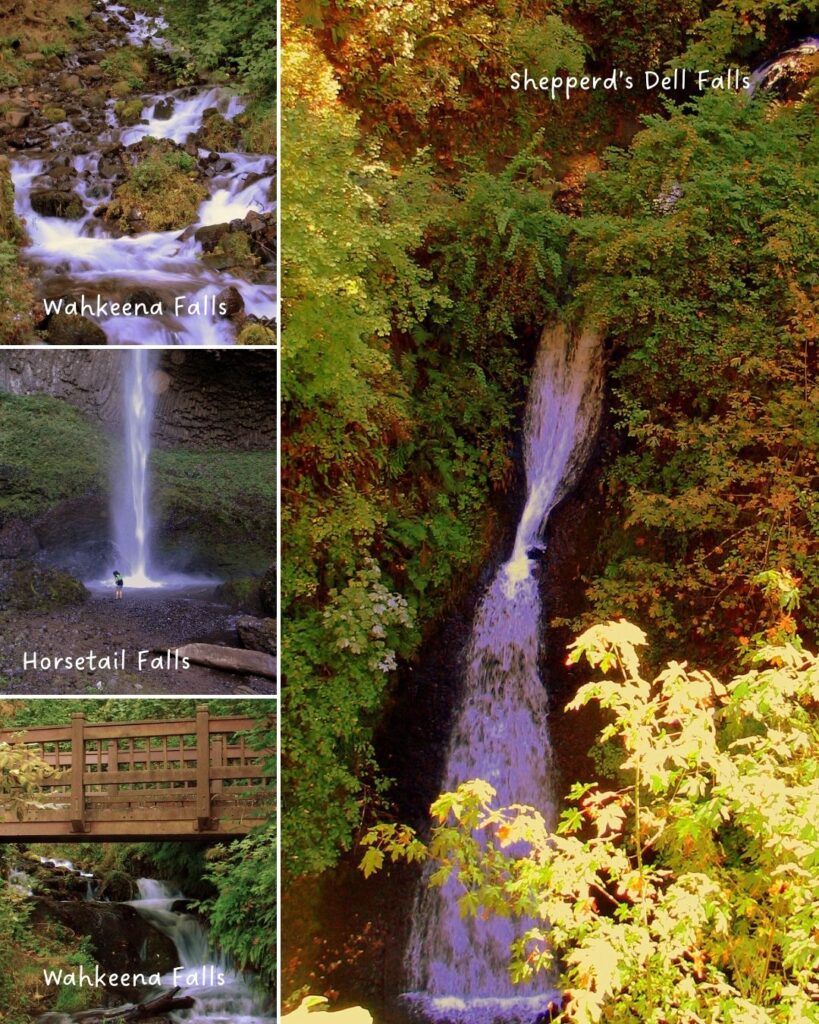
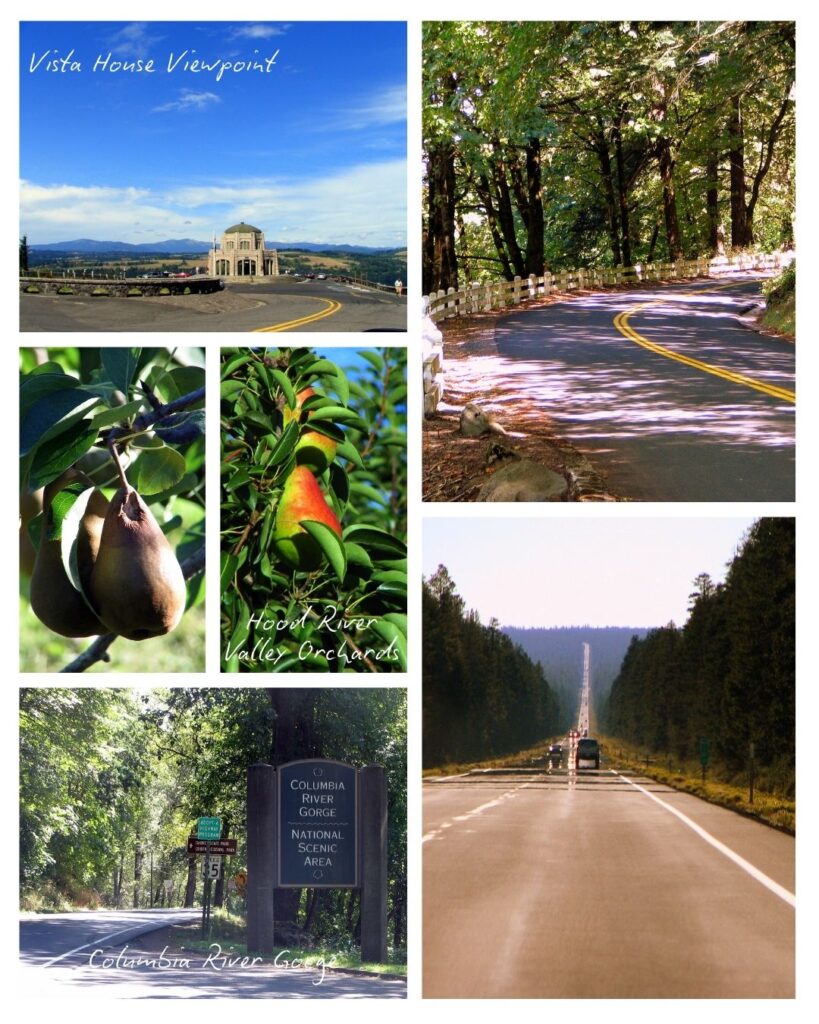
Our first destination was Mount Hood, with several brief stops at the waterfalls that dot the Columbia River Gorge Scenic Highway. The unique geology of the region gives it one of the highest concentrations of waterfalls in the Pacific Northwest, a claim we later realized was no exaggeration. We couldn’t possibly see them all, but we visited several that were easily accessible from the highway. The best part was that each waterfall offered a completely different perspective. We viewed Latourell Falls from its base, Shepherd’s Dell Falls from the bridge above as it plunged into the gorge, and Wahkeena Falls from the side as the water rushed past us. The must-see waterfall, however, was Multnomah Falls, where you can walk onto the famous bridge and stand midway between the two cascading tiers.
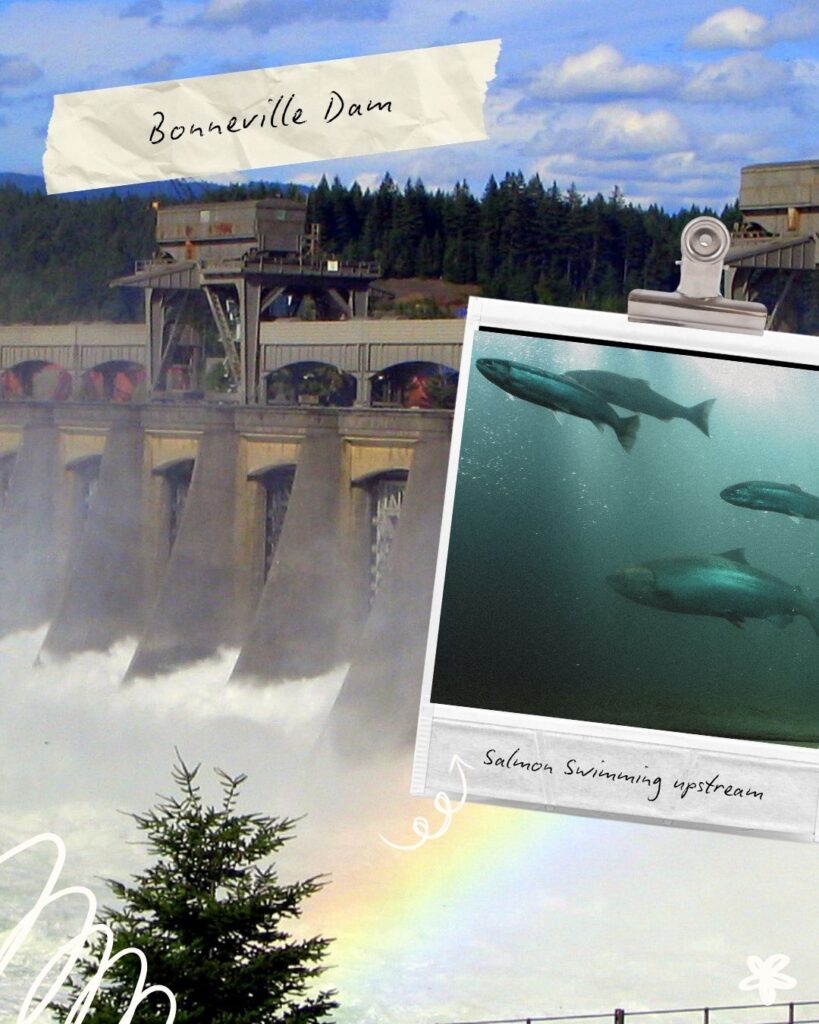
Historically, the Columbia River Gorge is significant because the Lewis and Clark Expedition realized that the Columbia River provided a route to the Pacific Ocean. We continued the water theme with a stop at Bonneville Dam. Watching enormous volumes of rushing water is always impressive, as are the engineering marvels behind a dam. But what made Bonneville memorable for me was watching the salmon swim upstream. A brief digression into the salmon lifecycle. Salmon are born in freshwater streams, spend their early years there, then migrate downstream to the ocean where they live as saltwater fish. When it’s time to reproduce, some internal clock guides them back upstream to the very stream where they were born. The Bonneville Dam was built directly across this migration route. To help the salmon continue their journey, engineers built fish ladders, a series of gradual steps that provide an alternate path around the dam. The day we visited happened to be one of the peak migration days for Chinook salmon. Around 7,700 fish had passed through the ladders the previous day. It was fascinating to watch these 40 to 50-pound fish repeatedly battle the current, get pushed back, and then surge forward again until they made it through.
We continued toward Mount Hood, stopping briefly at one of the pear orchards along the way. It is difficult to describe the beauty of this region, with orchards stretching on either side and the snow-capped peak of Mount Hood rising in the distance. We ended the day at the surprisingly quiet Mount Hood. Sunny days, it turns out, are not especially welcome in ski country. Dinner was Pacific Northwest cuisine at a restaurant called Rendezvous.
### Day 2
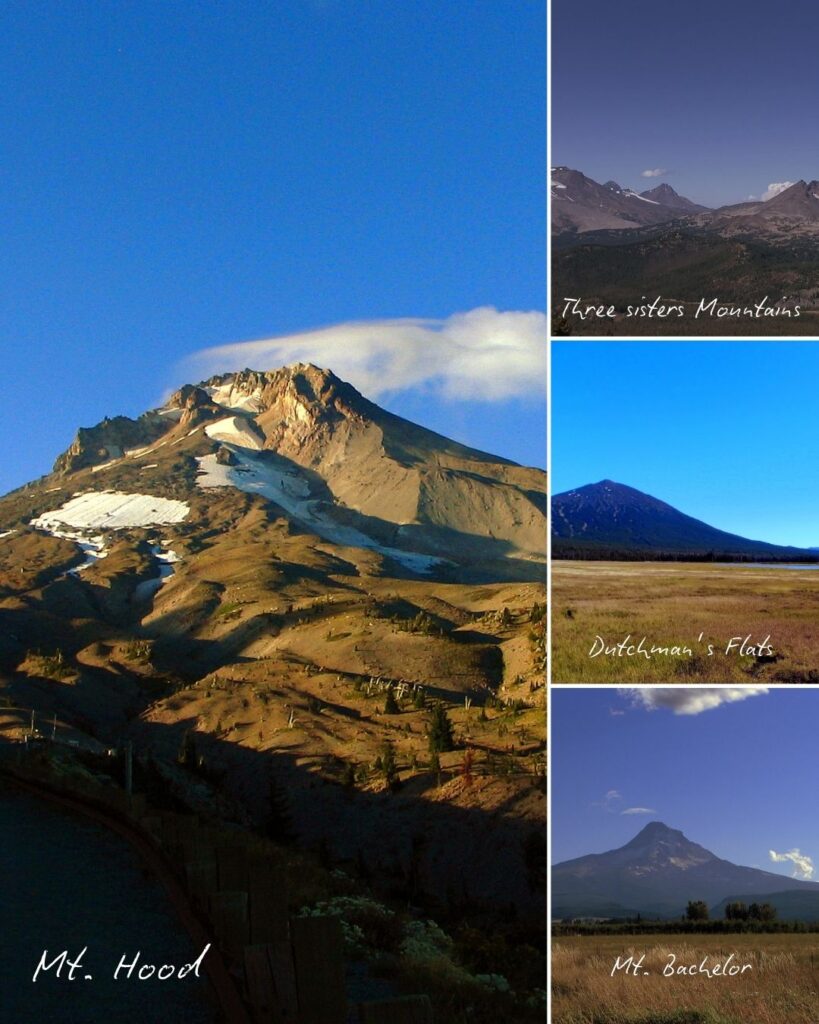
The previous day had ended with a mountain after many waterfalls. Today was exactly the reverse. We began with a mountain and finished among a series of lakes. The drive to Mount Bachelor was uneventful but beautiful. What amazed us most was how rapidly the scenery changed. Within just a couple of hours we drove through fertile farmland, vast stretches of burnt forest, almost desert-like terrain, dense evergreen forests, and fruit-growing regions. After taking the ski lift up and down Mount Bachelor, we entered the Cascade Lakes Scenic Byway. The rest of the drive consisted of one beautiful lake after another. We would stop, admire the scenery, take a few photographs, glance at our watches, sigh because we couldn’t stay longer, and continue to the next lake where the routine repeated itself.
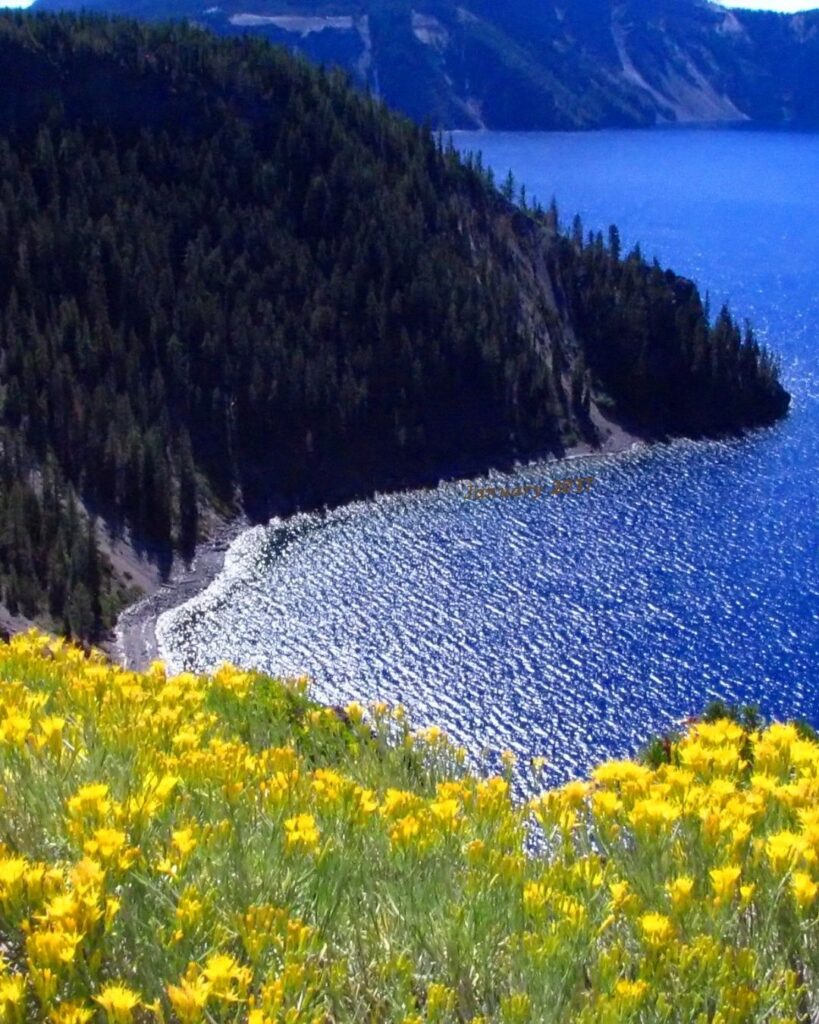
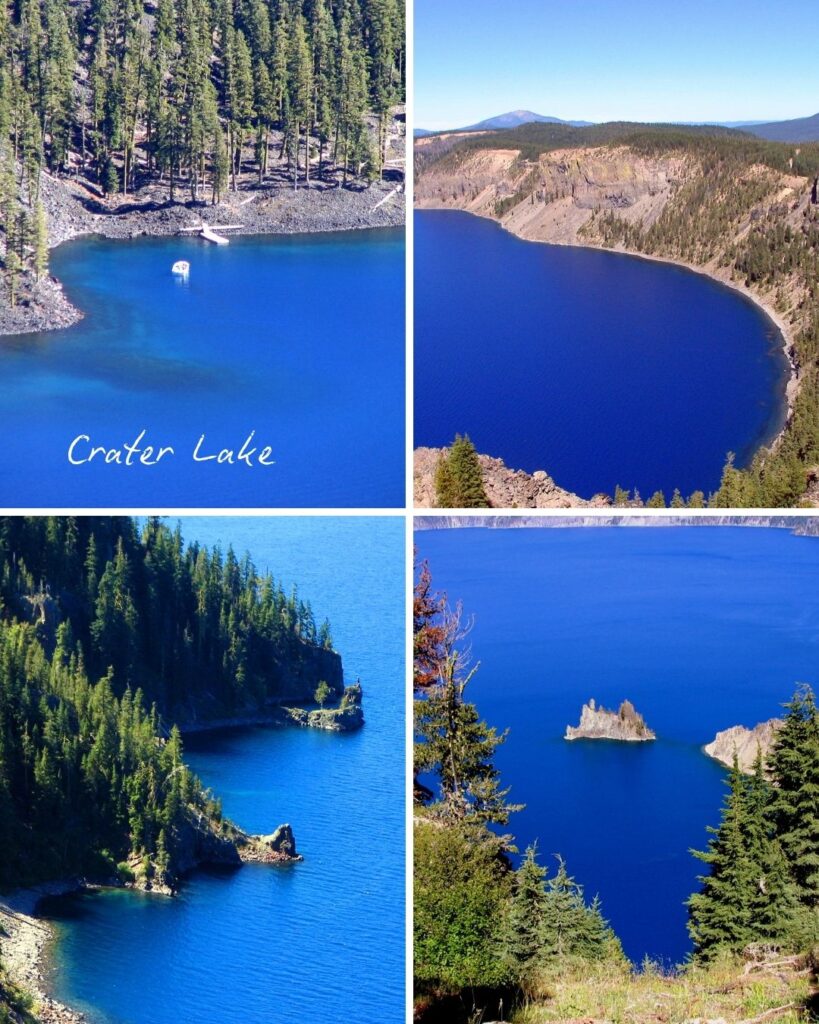
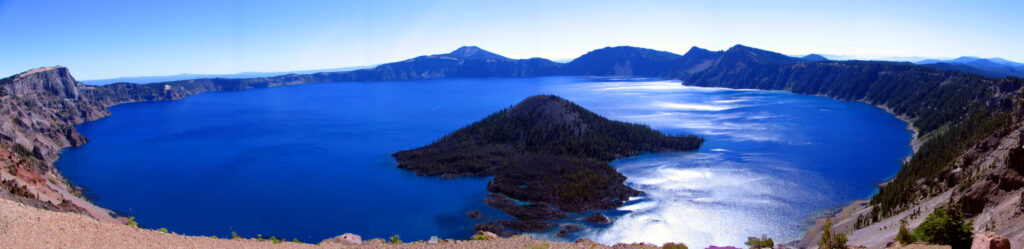
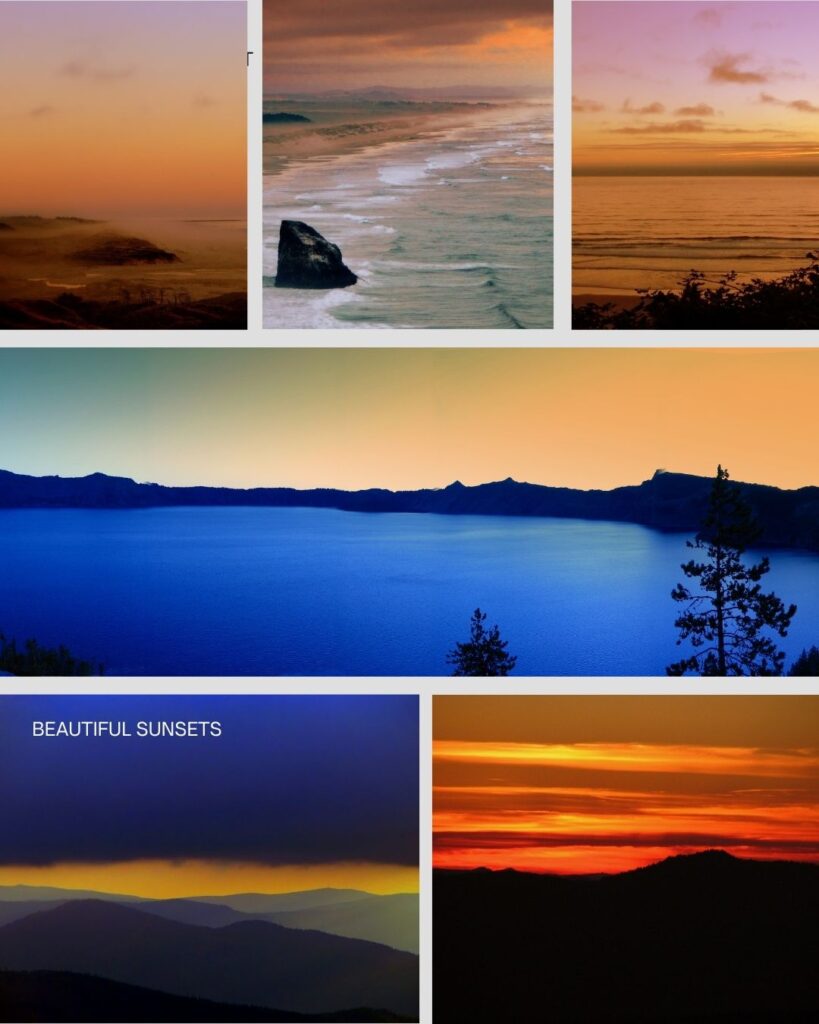
Our goal was to reach Crater Lake by sunset. Crater Lake was formed when a volcanic eruption caused the mountain to collapse, creating a caldera that eventually filled with rain and snowmelt. Today it is the deepest lake in the United States. The water is an almost impossible shade of blue. Because reaching the shoreline requires a steep hike, there is relatively little human activity, helping preserve its pristine beauty. The 20-mile Rim Drive circles the lake with numerous viewpoints offering different perspectives. We arrived just in time for sunset. Standing high above sea level, we could see mountain range after mountain range stretching into the distance. It remains one of the most spectacular sunsets I have ever witnessed. But the real magic came afterward. As we drove to our bed and breakfast, the road was pitch dark through the forest, with no lights except millions upon millions of stars overhead. I honestly don’t think I had ever seen that many stars before.
### Day 3
When planning vacations, I had never deliberately chosen a bed and breakfast. That was a mistake, and one I am glad to have corrected. Most B&Bs are run by people who open their own homes to travelers, offering not just a room but a wonderful breakfast the next morning. Unlike people who can spend two relaxing weeks in one destination, we tend to save our vacation days for our annual India trip. A B&B somehow provides that feeling of slowing down even during a fast-paced itinerary. It still amazes me that people in these remote places welcome complete strangers into their homes. We stayed at Crater Lake Bed & Breakfast, run by Janet and her son Tony. They rent out just two rooms, and ours was called the Nautical Room. The name fit perfectly. It contained at least thirty model ships, along with nautical paintings, old chronometers, seashells, and every imaginable maritime decoration. Janet and Tony made us feel completely at home, and we thoroughly enjoyed our stay. As wonderful as the house and Janet’s breakfast were, the best part came the following morning. Looking out the window, I saw a vast green meadow stretching into the distance, filled with hundreds of peacefully grazing cattle. Waking up to the sound of cows was strangely relaxing. Over breakfast Janet explained that these were beef cattle brought from California to spend the summer fattening up in Oregon before, as she jokingly put it, ending up at McDonald’s. After another hearty breakfast we returned to Crater Lake for another drive around the rim and a few short hikes.
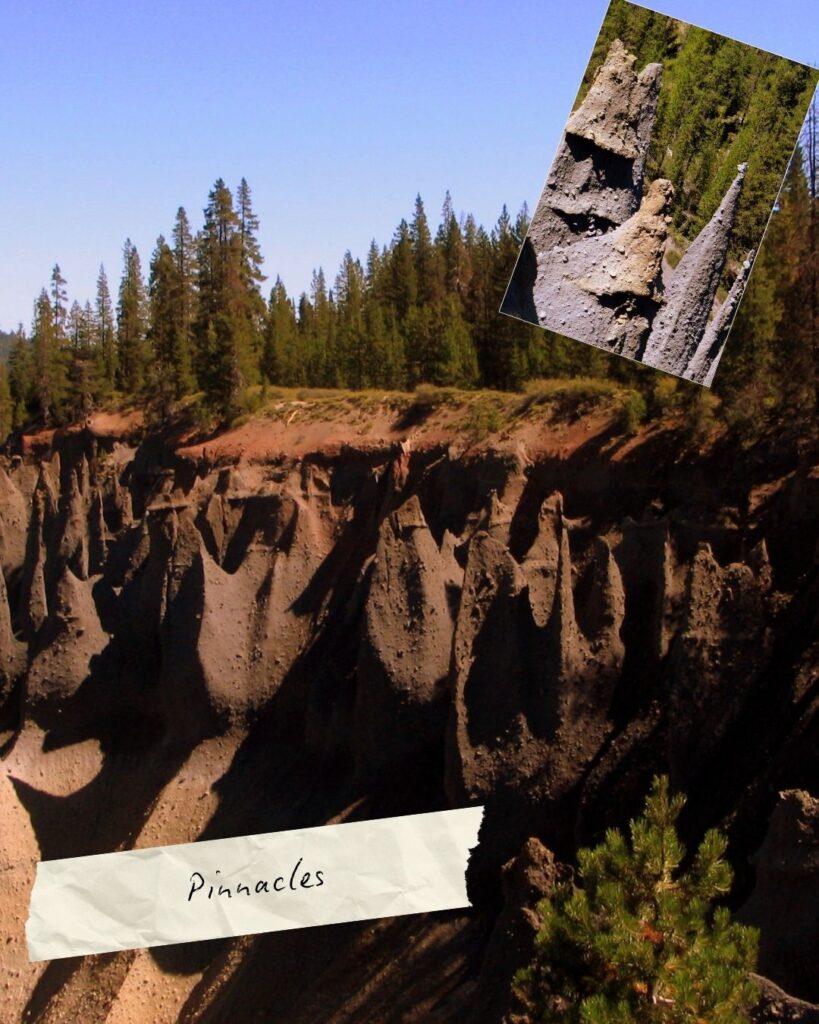
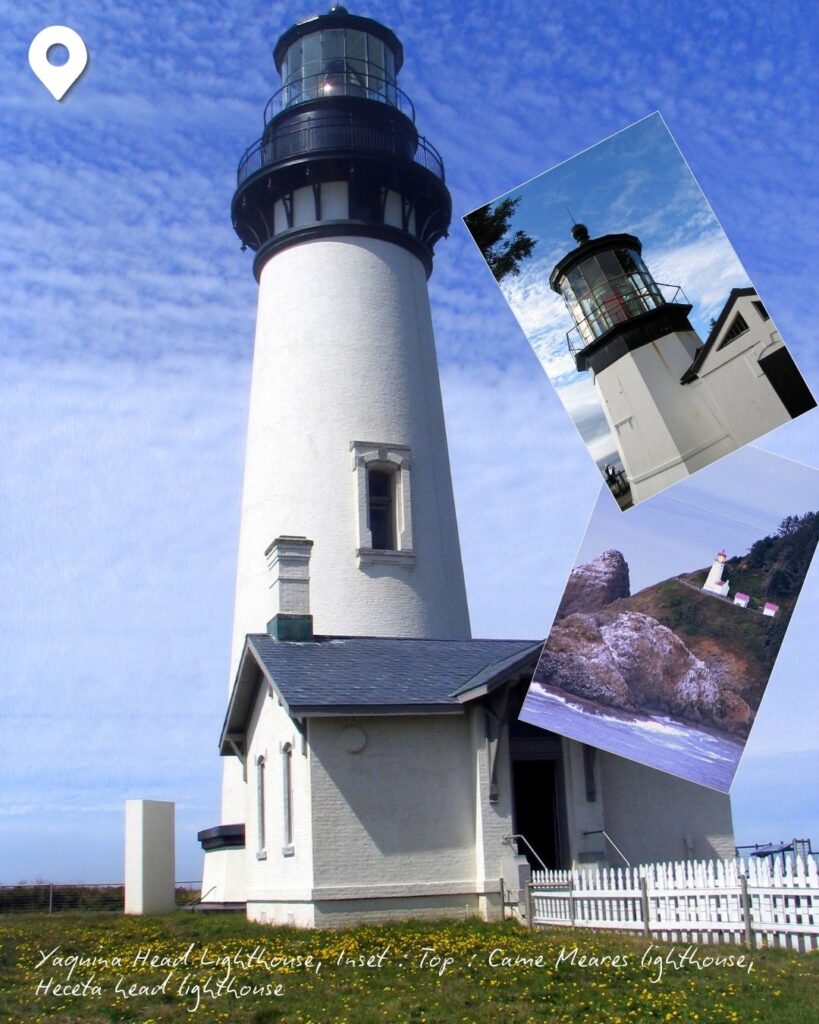
We also visited the Pinnacles, unusual rock formations created when volcanic gases escaped through ash deposits, leaving behind tall hollow fumaroles. From there we began the long drive toward the coast, appreciating Oregon’s endless forests and long open highways. We reached Florence just before sunset, with barely enough daylight left to photograph Heceta Head Lighthouse. Dinner that evening was at a Mexican restaurant. Oregon seemed to have an astonishing number of Mexican restaurants and we were told it was due to the labor required in the orchards. Every recommendation we received inevitably included one.
### Day 4
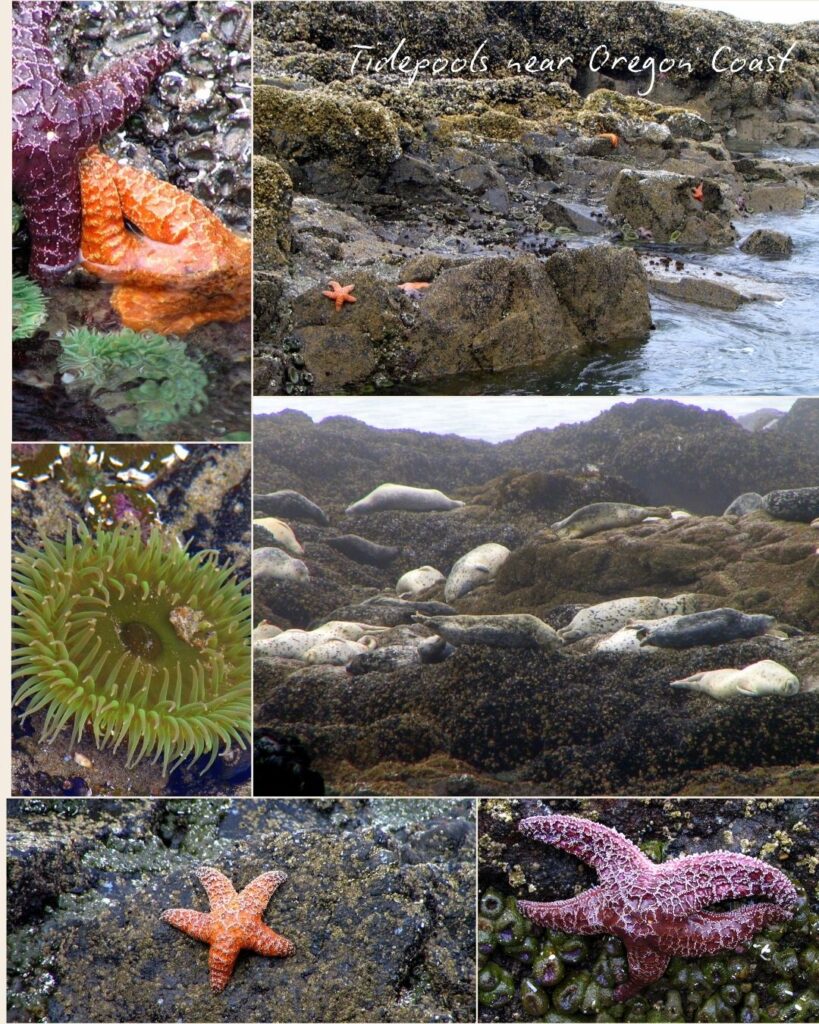
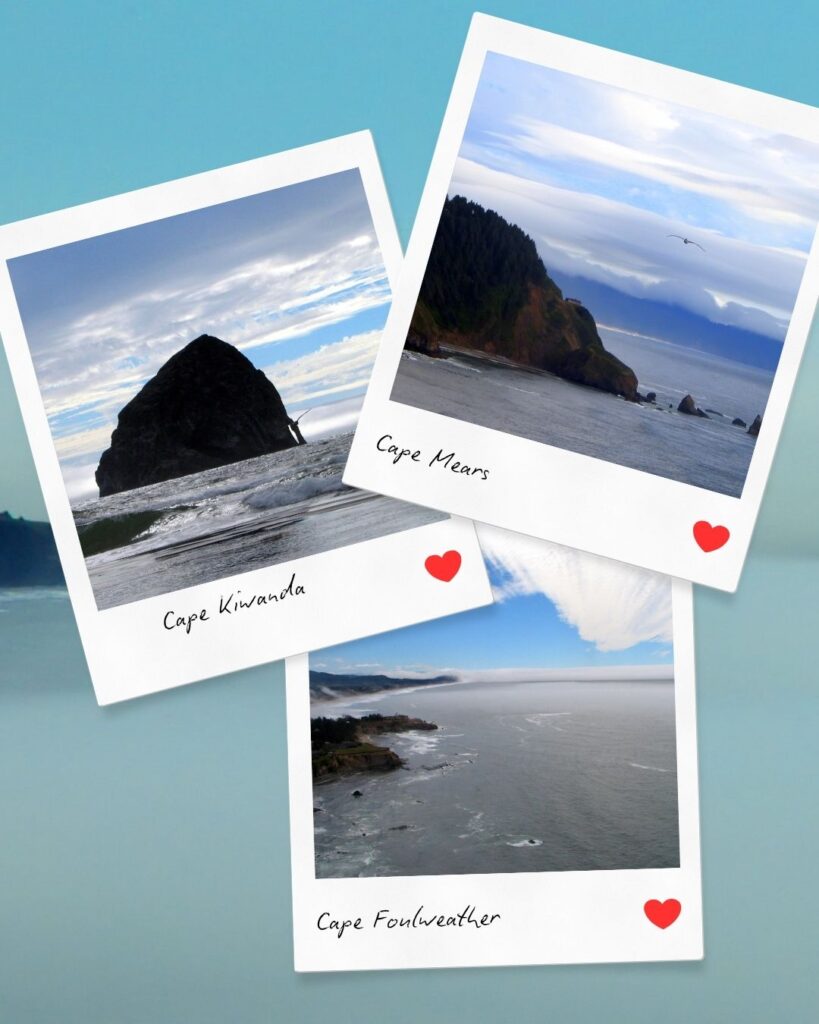
We spent the day driving north along the Pacific Coast under low clouds and drifting coastal mist. Eventually the skies cleared just enough for a few photographs. One of the highlights came when we stopped at a random overlook simply because a few other people were standing there. On the rocks below, several seals and sea lions were basking in the sun. This was also our first chance to explore tide pools. Looking closely at the rocks revealed a colorful world of sea stars, mussels, sea anemones, sea cucumbers, and giant kelp. Having only ever seen these creatures in aquariums, it was exciting to see them in their natural habitat.
Another memorable stop was Depoe Bay, where several whales had taken up residence just offshore. One surfaced several times, gracefully arching above the water before disappearing again. The rest of the coastal drive was equally beautiful. We stopped frequently at viewpoints, took countless photographs, and simply admired the scenery. I have probably exhausted every synonym for beautiful, spectacular, and amazing, but as they say, words really cannot do it justice.
We reached Tillamook around 5 p.m. It is famous for its cheese and ice cream, so we toured the factory, sampled both, picked up a few souvenirs, and then continued on to Portland before nightfall.
### Day 5
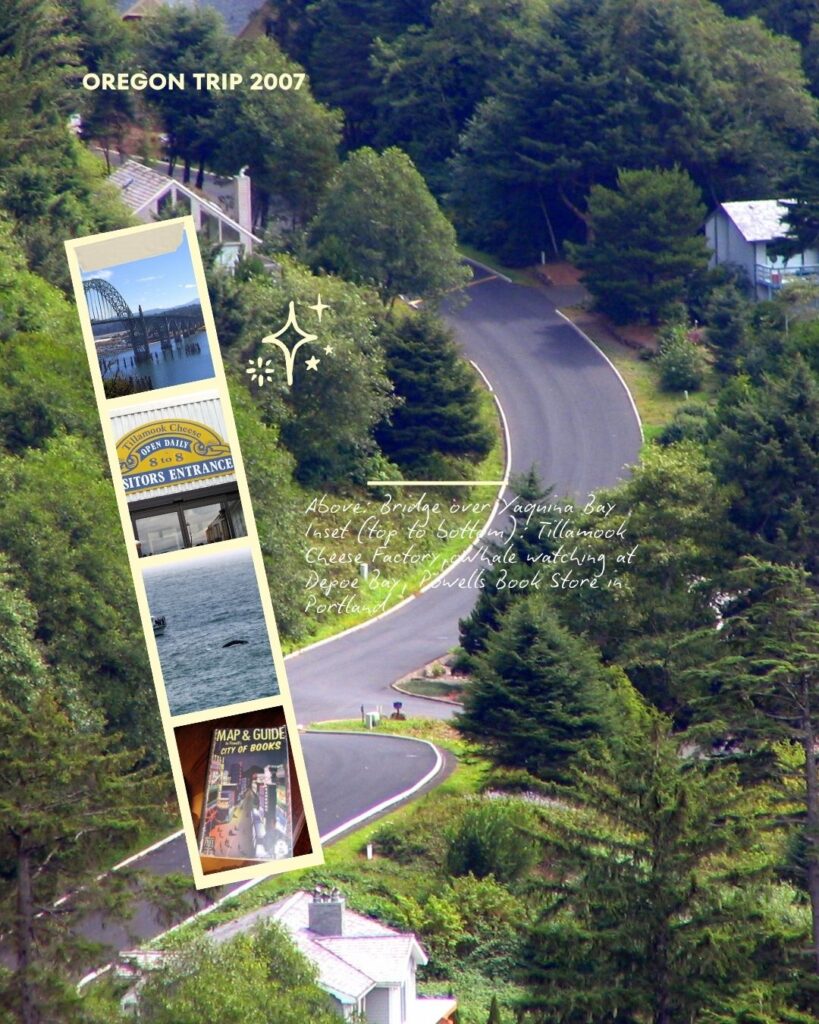
And now, the real reason we chose Oregon. Booking a hotel in Portland was the easiest part of the trip. Normally I compare amenities and prices, but this time I simply searched for the hotel closest to Powell’s Books. Anyone who buys secondhand books knows Powell’s. It is enormous. The store even has its own map and offers guided tours. It occupies an entire city block, with another nearby location devoted entirely to technical books. I happily spent several hours browsing, discovering titles, and buying more books than I probably needed. The prices weren’t quite as low as online bookstores, but avoiding shipping costs helped justify the purchases. I’m still not sure how I was expected to go back to Barnes & Noble after that. We reached home well past midnight, tired but completely recharged.
September 2007